It’s Fashion Revolution Week. This is the week, traditionally, when we pause to remember the 1,138 fast fashion workers who tragically lost their lives, with many more who were injured, at the Rana Plaza factory in Bangladesh on 24th April 2013. The revolution has since inspired thousands around the world to demand that our fave brands make efforts to be more transparent while making our clothes; posting, sharing and asking #whomademyclothes, and organising or attending Fash Rev events. In this strange new COVID-19 world, where the thought of gathering energy to be part of a revolution might reasonably feel beyond you, we’re giving you some grist for your passion.
For so long as social distancing is the law, being part of something bigger than ourselves is one way in which we can feel that important sense of connection with others. Aside from the climate emergency, this is perhaps the only time in our lives where nearly everyone on the planet is facing the same threat. The fears we have for our health and economic well-being during this crisis mirror the fears of our sisters in the developing world. Here’s why Fash Rev matters – even more – this year, and some thoughts on ways you can be involved (at a distance!).
1. Garment workers need your support!
With every major fast-fashion chain closing their bricks and mortar stores, garment workers in countries like Bangladesh and Cambodia, where there are no government subsidies or support, are going to be hardest hit. $3 billion worth of orders have been cancelled or suspended in Bangladesh alone. Doctor Rubana Huq, the President of the Bangladesh Garment Manufacturers and Exporters Association, has called on brands to honour their orders saying, “We will have 4.1 million garment workers going hungry if we don’t all step up our commitment to the welfare of workers.”
Fashion Revolution are calling for fashion brands to honour the orders they have already placed with their suppliers and ensure the workers are “protected, supported and paid properly during this crisis.” They’ve created an email template that you can use to contact brands by email or social media and ask them to make sure their garment makers are looked after during this pandemic.
2. Visit your wardrobe
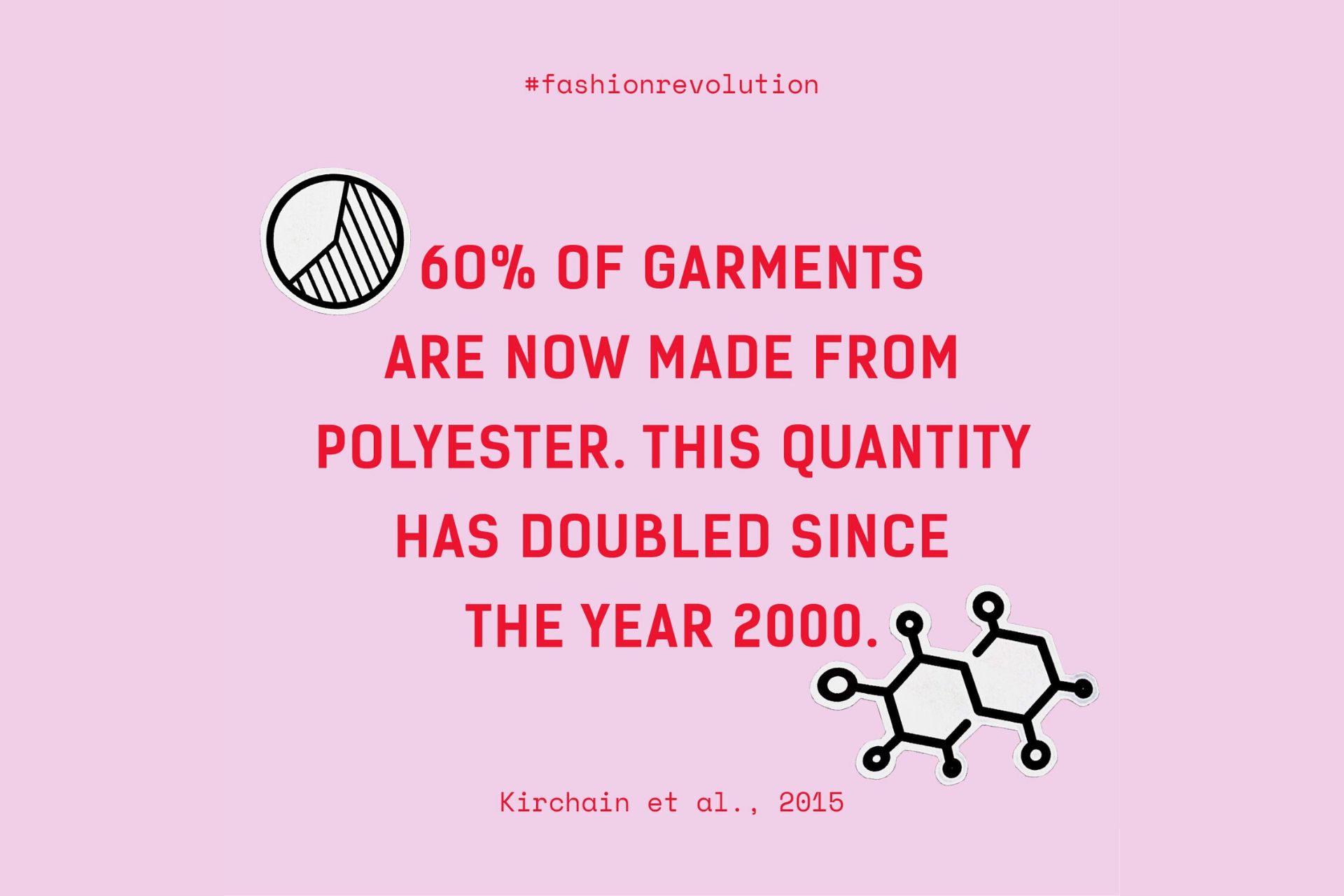
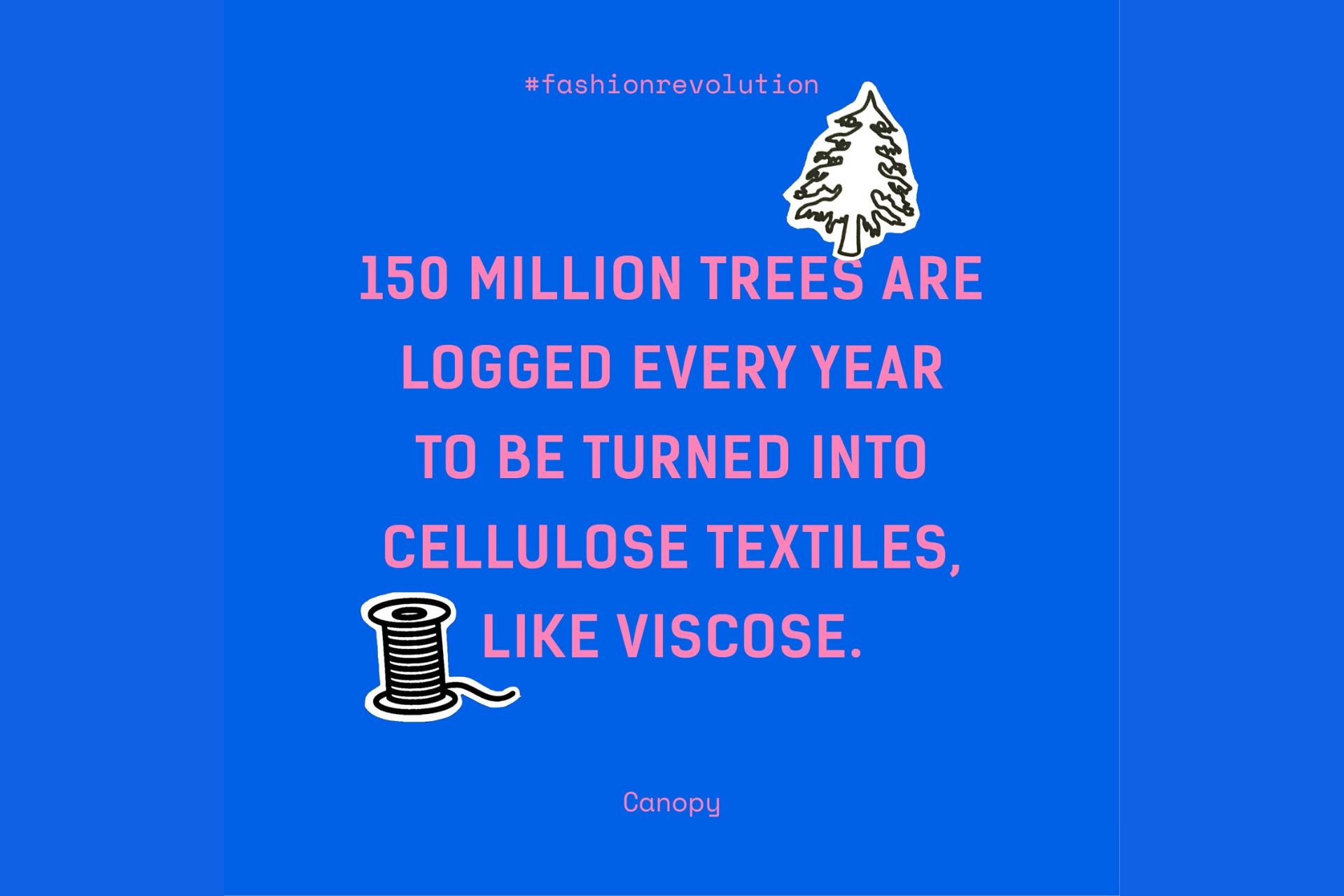
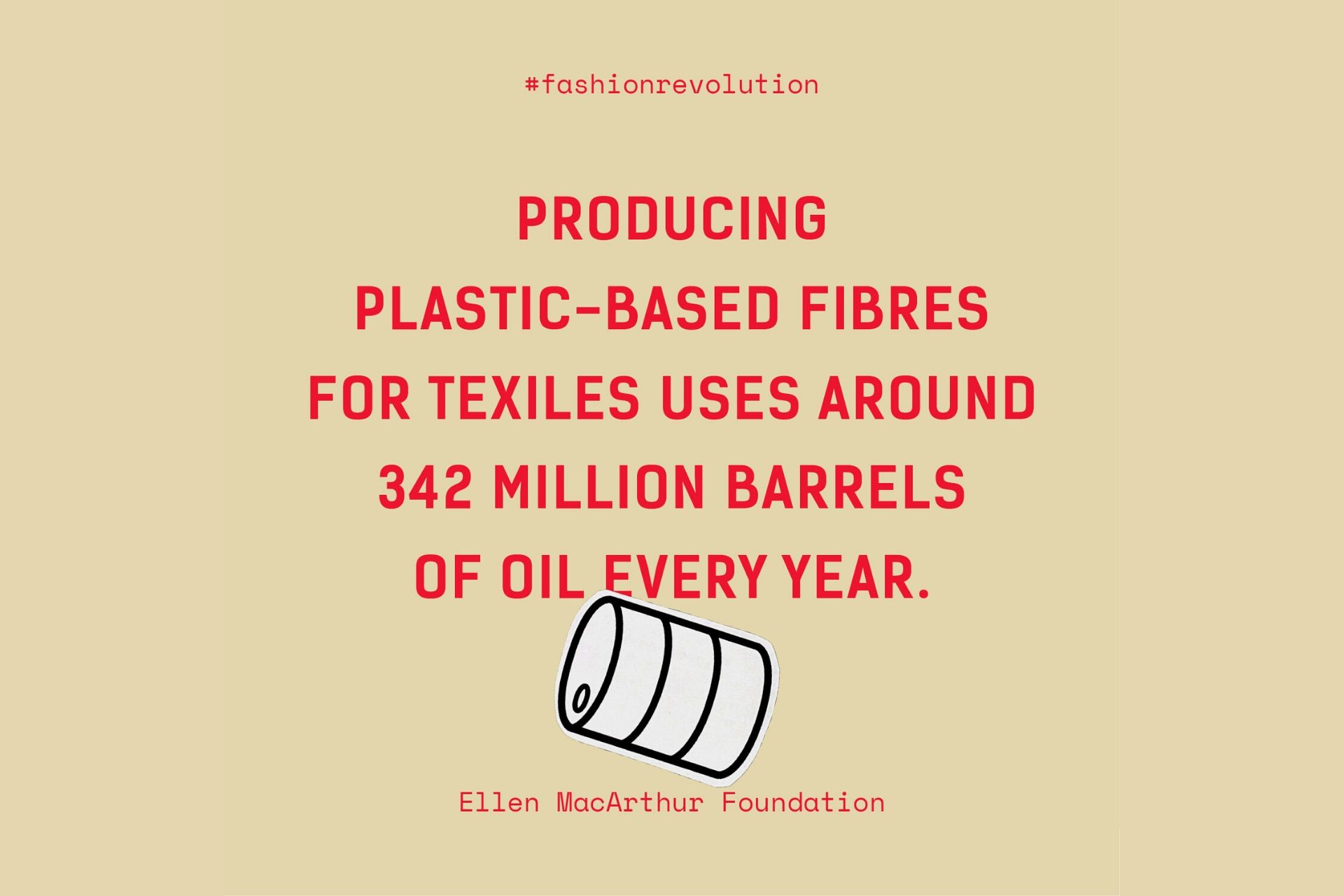
‘Composition’ is one of the Fash Rev themes in 2020 (the others are consumption, conditions and collective action). As important as #whomademyclothes is, #whatsinmyclothes? We need to start a wider conversation about harmful materials and ask brands to fully disclose what’s in their products. Take a good look at the composition labels on your clothes. Microfibres, plastics and certain chemicals have potentially harmful environmental impacts and we have a right to know if any of these are in the clothes we wear.
3. Repair is a revolutionary act
Fash Rev (and others) have long been exhorting us to shift our behaviour, to slow down our consumption and adopt a longevity mindset. Many of us might have preferred a less scary antidote to overconsumption, but now that we’re at this point, we can use this ’pause’ to take some time out and turn the safety we find in small actions – mending and repairing or reworking our clothes – into something comforting. The crafters and seamstresses among us have long known the contentment that comes from working with our hands, feeling textiles between our fingers and the joy in creating something new. It could be as simple as sewing on a button, fixing a hole in a jumper or doing basic darning, because we know that #lovedclotheslast.
4. Brain food binge watch
Now that it’s okay – some might even say a necessity – to binge watch, why not add these Fash Rev prescribed movies to your list: The Price of Free, The True Cost, Made in Bangladesh (on Stan), River Blue, The Machinists, or short films: Who Made My Clothes, Unravel, Two Euro T-Shirt, Tears in the Fabric, Catwalk to Creation and Frontline Fashion.
5. Meet the ethical tribe
Peppermint is Zoom-chatting with some of our ethical design tribe this week – asking them ‘Why does the Fashion Revolution matter in the current crisis?’ Watch our socials for information on video timing! Fashion Revolution also has a feast of virtual workshops and discussions on their digital platform Fashion Open Studios.
6. Consume consciously
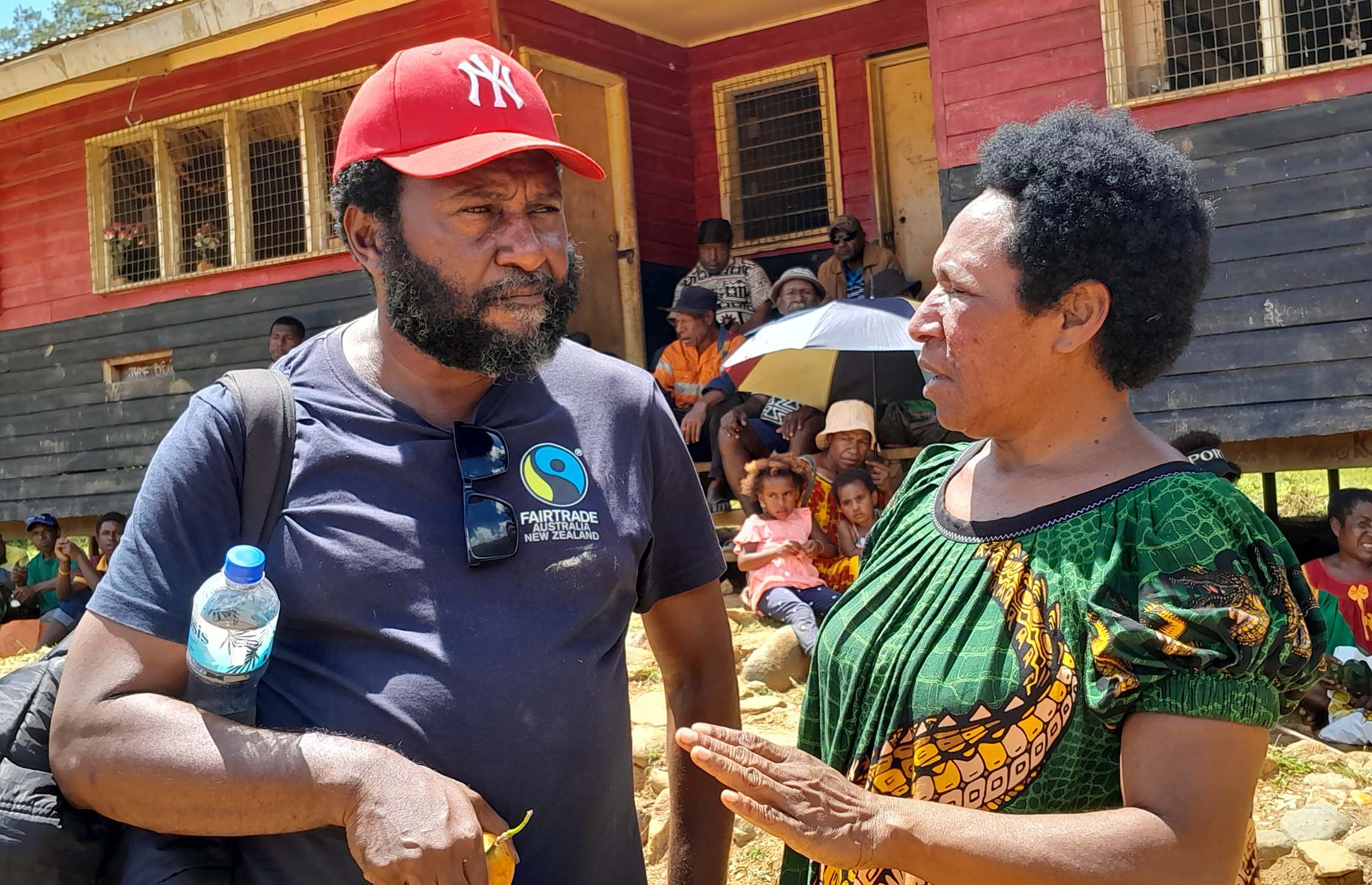
If you do need new clothes in your life right now, we suggest you look to brands who care about their workers and make sustainability, ethics and traceability their most important purpose. You can find ethical brands with values that mirror your own on accreditation sites such as Ethical Clothing Australia and Fair Trade Australia, or marketplaces such as Well Made Clothes and Thread Harvest or read reports on how brands are doing on Good on You or Baptist World Aid.
7. And, of course, ask brands “Who made my clothes?”
Even though we can’t gather in person for inspiration and education, you can still ask brands #whomademyclothes from the safety of your self isolation. With ‘composition’ being one of this years themes, the campaign is also encouraging us to ask #whatsinmyclothes on social media. Post a photo with the hashtag and ask your favourite brands about the materials they are using. While Fash Rev is only a week-long event, remember to keep asking your fave brands all year round to let them know that you care about creating a clean, safe, fair, transparent and accountable fashion industry. Your voice does make a difference.
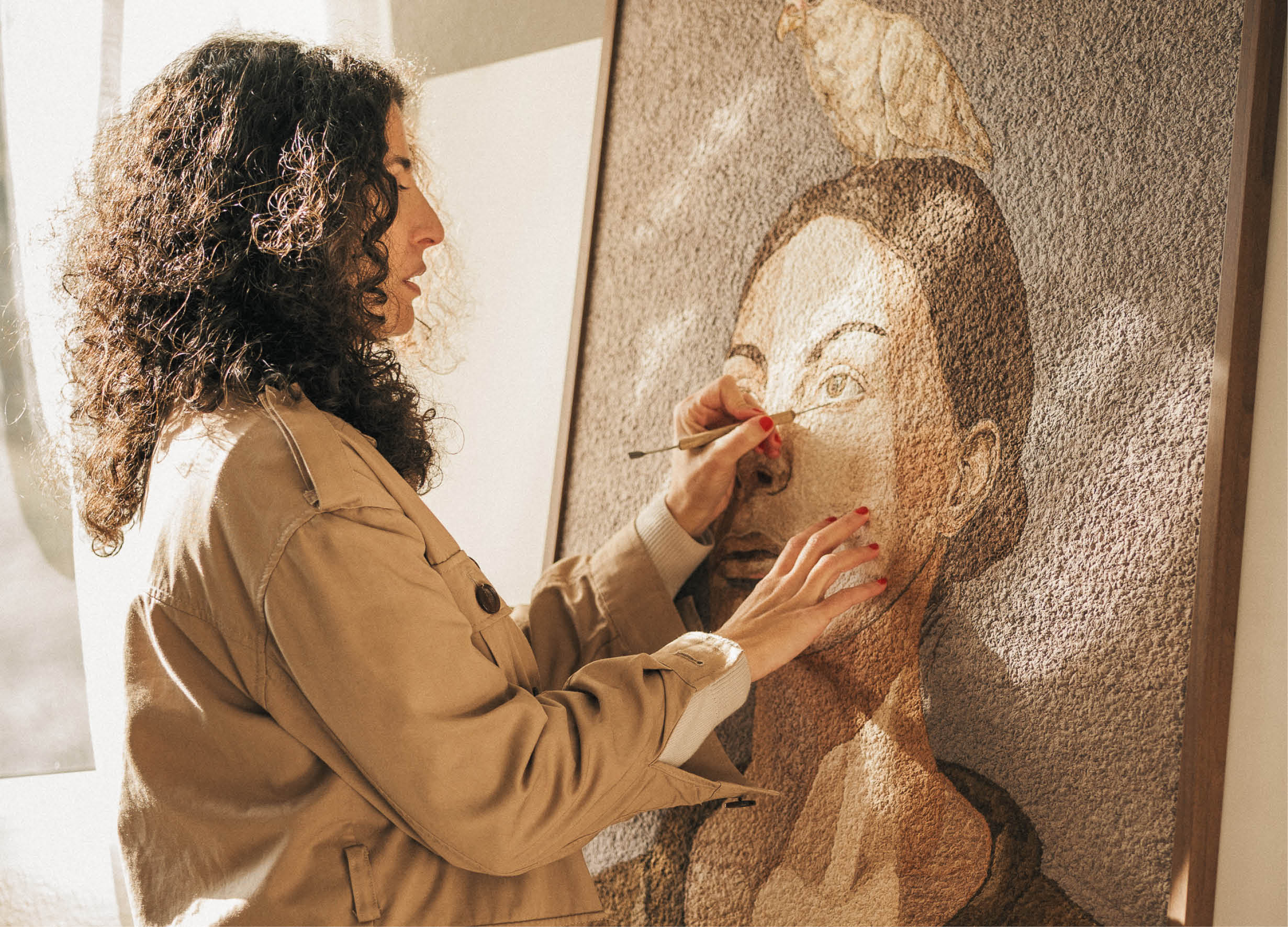
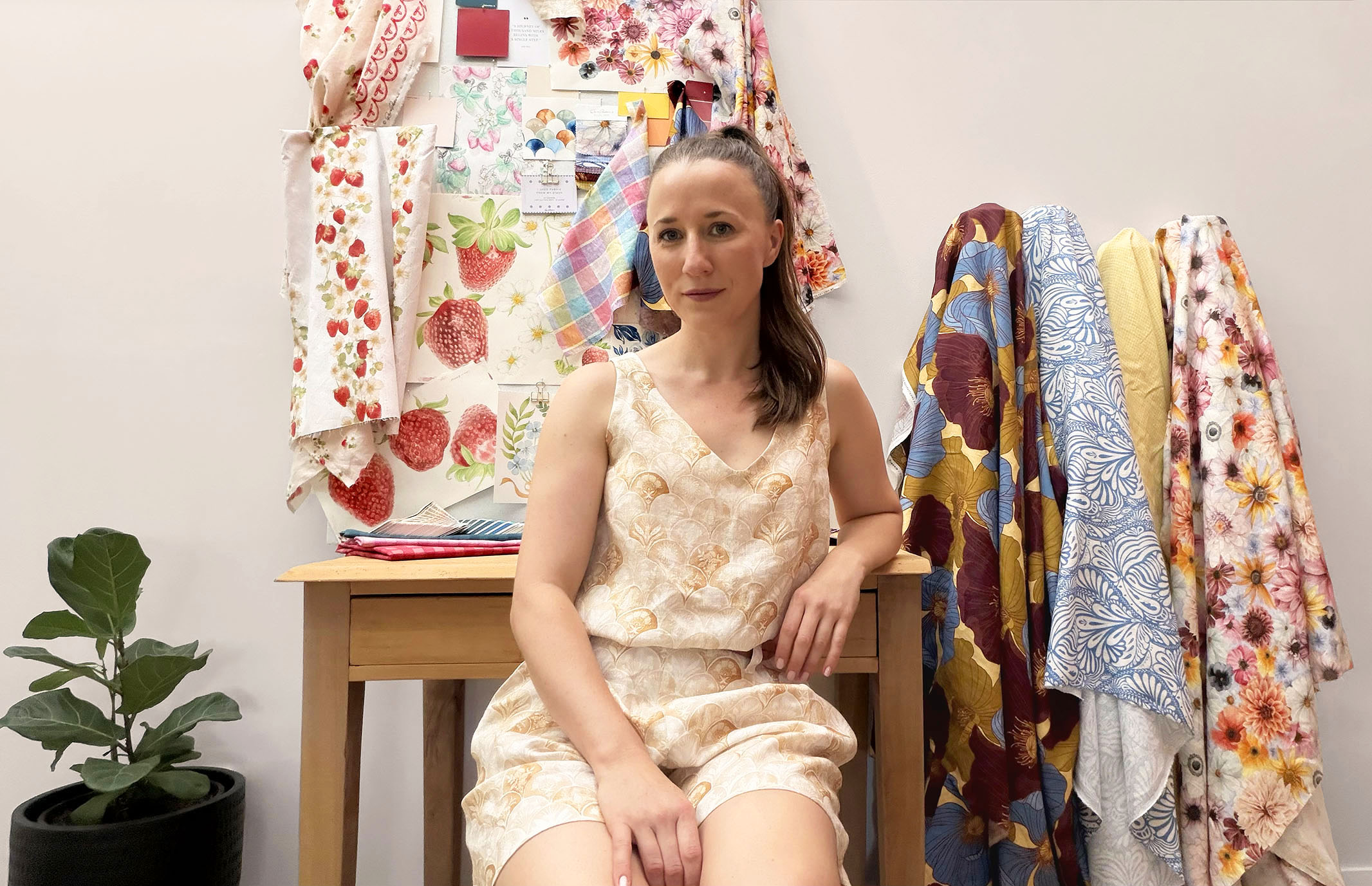

“My piece of advice for makers and designers? Run your own race… make sure your key decisions stay anchored in your brand’s core beliefs.”
- Bec Bligh
Quick show of hands: who’s opened a water bottle expecting a refreshing sip… and instead been greeted by the unmistakable whiff of uh-oh?
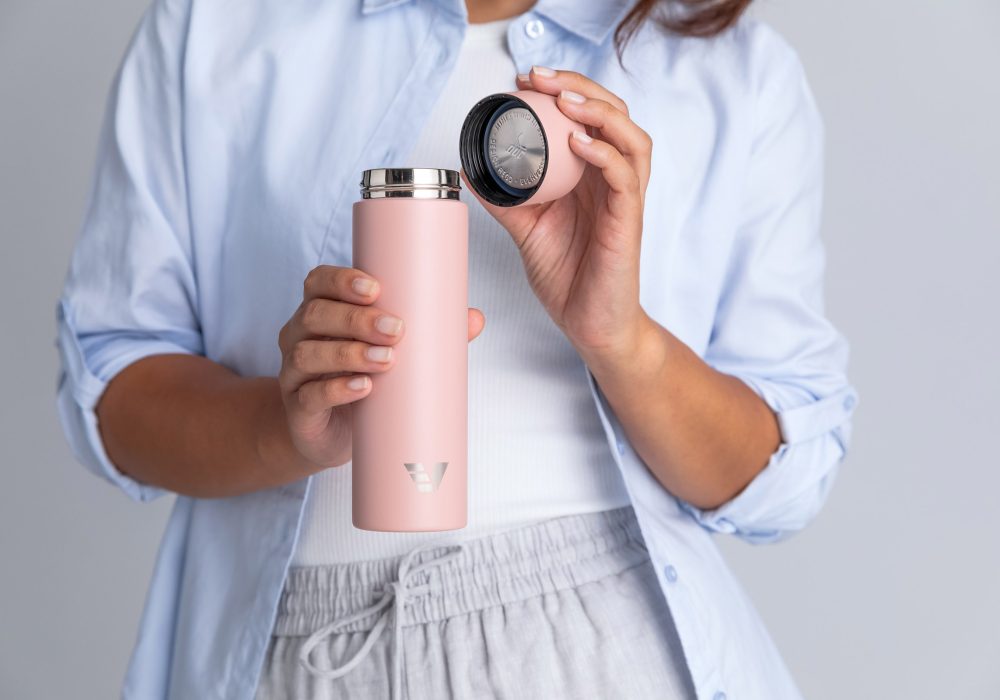
Because for something that follows us everywhere (desk, car, hikes, yoga…), the humble drink bottle is strangely prone to becoming a science experiment. Hard-to-clean corners and gaskets. Mystery smells. Bec Bligh and her husband Tim know it well. A six-month sailing trip along the Queensland coast left them with a lifetime of memories and one stubborn annoyance: mouldy water bottles they couldn’t properly clean.
So they did something about it.
Enter @EverVessel. Thoughtfully designed borosilicate glass and stainless steel bottles that keep things beautifully simple: durable materials, wide openings, easy-to-clean parts and none of the techy gimmicks that tend to age badly. Turns out simplicity, done well, is pretty powerful stuff. (Their many design awards agree!)
And lately they’ve added a little extra delight: the Artist Series, where creatives like Paola Castro, Ben Miners and Martin Thompson transform these everyday companions into tiny travelling artworks. There are more colabs in the works, too: hydration, but make it joyful! 🎨💧
We chatted with Bec about the sailing trip that started it all, the philosophy behind Ever Vessel, and why the most sustainable product is often just the one you keep using.
Tap the link in our bio to read the full conversation. 🚰
#EverVessel #ReusableWaterBottle


Pull up a chair… there’s room at this table!
For the first time, Feast for Freedom is bringing people together for a spectacular long-table dinner as part of the Melbourne Food & Wine Festival.
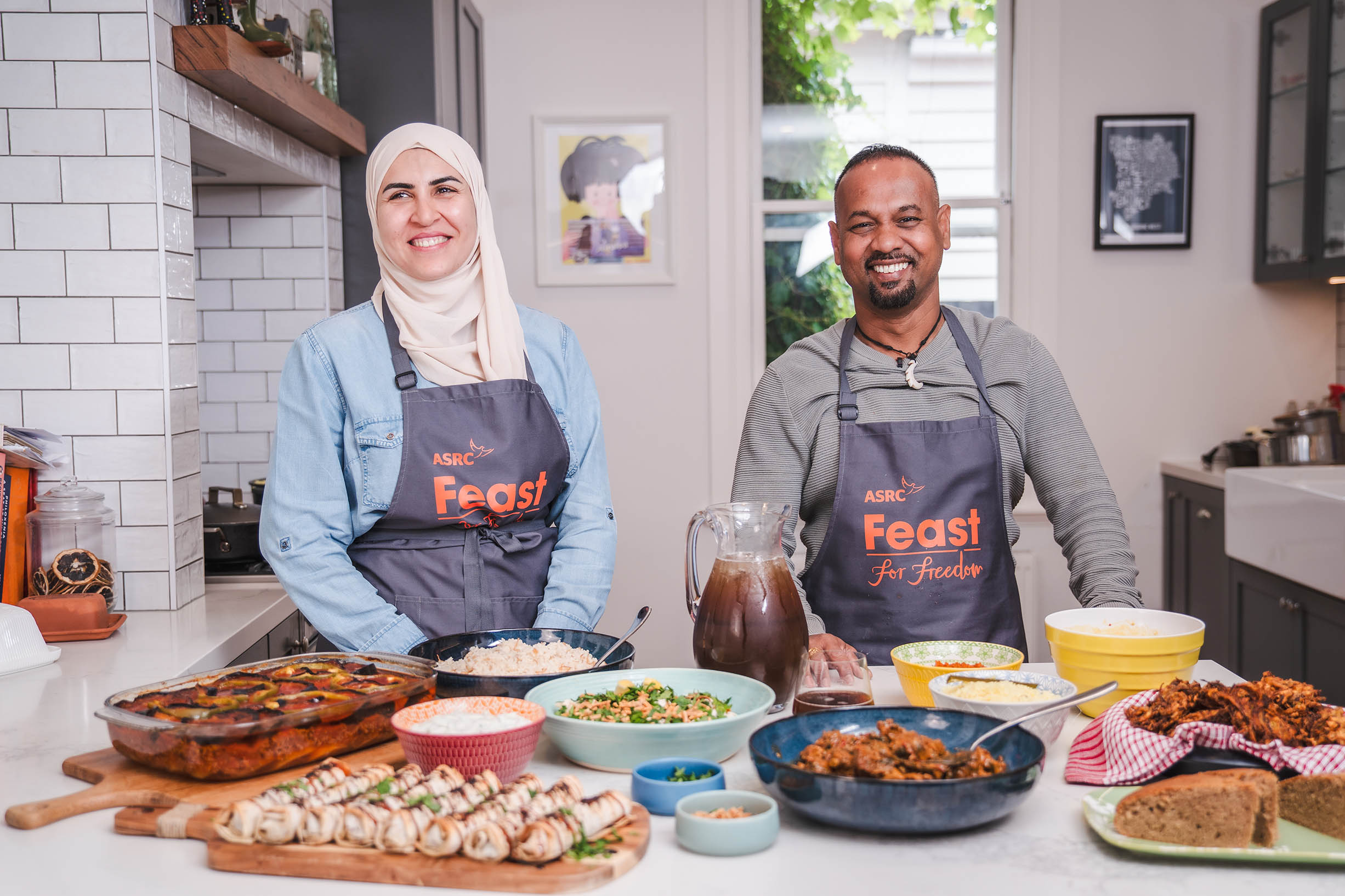
A Longer Table is exactly what it sounds like: one beautiful shared table inside the Asylum Seeker Resource Centre (@Asrc1), piled with generous dishes inspired by this year’s hero cooks, Noha and Nige.
From 6 to 9pm on Wednesday, 25 March, this is what you can expect:
🍽 A three-course shared feast
🍷 Matched drinks
🎶 Live entertainment
✨ A room full of good humans
Your ticket doesn’t just buy you a delicious dinner. It supports the ASRC’s vital work and helps create a fairer future for people seeking asylum.
Seats are limited, and long tables have a way of filling up quickly – head to @MelbFoodAndWine’s website to book now: feastforfreedom.org.au/mfwf
#FeastForFreedom #MelbourneFoodAndWineFestival #LongTableDinner #FoodForChange

Sew versatile! 🪡
Another great make from Lisa from @SunnySewsEveryday:
My #PeppermintWaratahWrapDress is finished and I’m so proud of it. It has been designed not to flap open and flash your pants in the wind, so I feel confident it will be a great wheelchair or standing dress in English weather.
#PeppermintPatterns #WrapDress #WrapDressPattern

Frame your face with the Peppermint Bucket Hat!
Stay safe and stylish in the sun with your very own self-sewn and self-drafted wide-brimmed bucket hat. This beginner-friendly sew is perfect for a sunny day. Get out your pencils – this pattern is created using equations and maths!
This DIY project was featured in Issue 53 and now you can access it for the lovely low price of only $5.
Sun-safe chic is always in style. ☀️
Find it via the link in our bio!
Photos: @KelleySheenan
#PeppermintPatterns #PeppermintBucketHat #BucketHat #BucketHatPattern #DIY

✨ INSTANT CLASSIC ✨
The Peppermint Myrtle Shift Dress is a beginner-friendly make with a few special details based on the ever-stylish shift shape – the perfect dress you need in your wardrobe right now!
Myrtle cuts above the knee with options to customise the length. Don’t think she’s reserved for hot weather either: try a heavier-weight fabric to turn your Myrtle into a pinafore-style garment for layering.
For our fabrics we chose two from our lovely sewing partner @Karmme_Apparel – the bold Rottnest Stripes in a lightweight, soft-drape cotton, and the quality linen in the handpainted Mexico Collection.
Get making the Myrtle – the only question is, can you stop at just one?
Link in bio 🪡
Fabric: @Karmme_Apparel
Sewist: @Laura_The_Maker
Photos: @KelleySheenan
Models: @SerahSews and @Pins_And_Tonic
Location: @ShareTheDignityAustralia
#PeppermintMyrtleShiftDress #PeppermintPatterns

It’s time to Feast!
Some recipes travel a long way before they land on your table to delight your taste buds. This year’s Feast for Freedom invites us to gather our friends, cook something delectable and raise funds for the incredible work of the Asylum Seeker Resource Centre (@Asrc1) while we’re at it.
The 2026 Feast features recipes shared by two remarkable cooks: Noha, who brought the flavours of Palestine with her when she arrived in Australia, and Nige, a Sri-Lankan Tamil cook whose journey with food began in the most unexpected of places.
You can host your own Feast up until 30 April – simply register online and get planning! Host a dinner, organise a workplace lunch, or gather your community… However you do it, the idea is simple: cook, connect and celebrate the cultures and stories that shape Australia.
Want to find out more? Head to the link in bio to meet Noha and Nige, learn more about their stories, and discover a delicious recipe to try.
#FeastForFreedom #PeppermintMagazine #FoodForGood #ASRC
