According to a recent, self-conducted survey, Endeavour College found almost half (46%) of participants cared more about their health now than before the pandemic. Almost two-thirds (61%) wanted to learn more about health to better care for themselves and their loved ones. It led to the college launching its first suite of short courses – designed to be “relevant and life-applicable” while also empowering students to “take control of [their] own learning”.
In this series, created in partnership with our good friends at Endeavour Short Courses, we’re taking a deep dive into the curriculum – to learn more about what the courses entail and expand our knowledge from credible sources. Across the Natural Health suite, students can learn about natural remedies from around the world, explore homeopathy and sort the facts from fiction when it comes to green living. We caught up with Endeavour College’s Marianne Zander of This Wellness Life to learn how to live more sustainably.

above MARIANNE ZANDER
“Sustainability” has become a bit of a buzzword in recent years as we see greenwashing running rife. What does sustainable living mean to you?
For me, sustainable living means adopting practices and lifestyles that prioritise the wellbeing of communities, the environment and sentient beings in a balanced and harmonious way. It’s recognising that our wellbeing is deeply intertwined with the health of the planet, and leading a mindful lifestyle that supports personal health and environmental preservation to foster a sense of interconnectedness.
It’s recognising that our wellbeing is deeply intertwined with the health of the planet, and leading a mindful lifestyle that supports personal health and environmental preservation to foster a sense of interconnectedness.
READ MORE: So You Want to… Start Your Own Natural Health Business
Why do you think there’s still a misconception that living sustainably is a daunting task?
I think this can be attributed to several factors including:
Lack of awareness
People may have limited knowledge about sustainable living practices and their potential benefits, which can make living this way seem unfamiliar and overwhelming.
Perception of inconvenience
Some individuals may perceive living sustainably as inconvenient or time-consuming. As a result, they may believe that adopting eco-friendly habits requires significant effort or compromises in their daily routines.
Misinformation and greenwashing
Unfortunately, there’s still a significant amount of misinformation surrounding sustainable living, which makes it challenging for people to discern between genuine environmentally friendly practices and marketing tactics. This confusion may discourage individuals from taking sustainable actions.
Financial considerations
While some sustainable products or technologies may initially come with a higher price tag, the long-term cost savings and environmental benefits can be overlooked. This perception of financial burden can deter people from embracing sustainable practices.
Limited accessibility
If sustainable alternatives aren’t readily available or affordable, it can create a barrier to adopting environmentally friendly practices.
Resistance to change
Human beings are creatures of habit, and adopting new behaviours or breaking old habits can be challenging. Sustainable living often requires a shift in mindset and lifestyle choices, which can be perceived as difficult.
What would be your top tips for living a more sustainable and low-waste life for those just getting started?
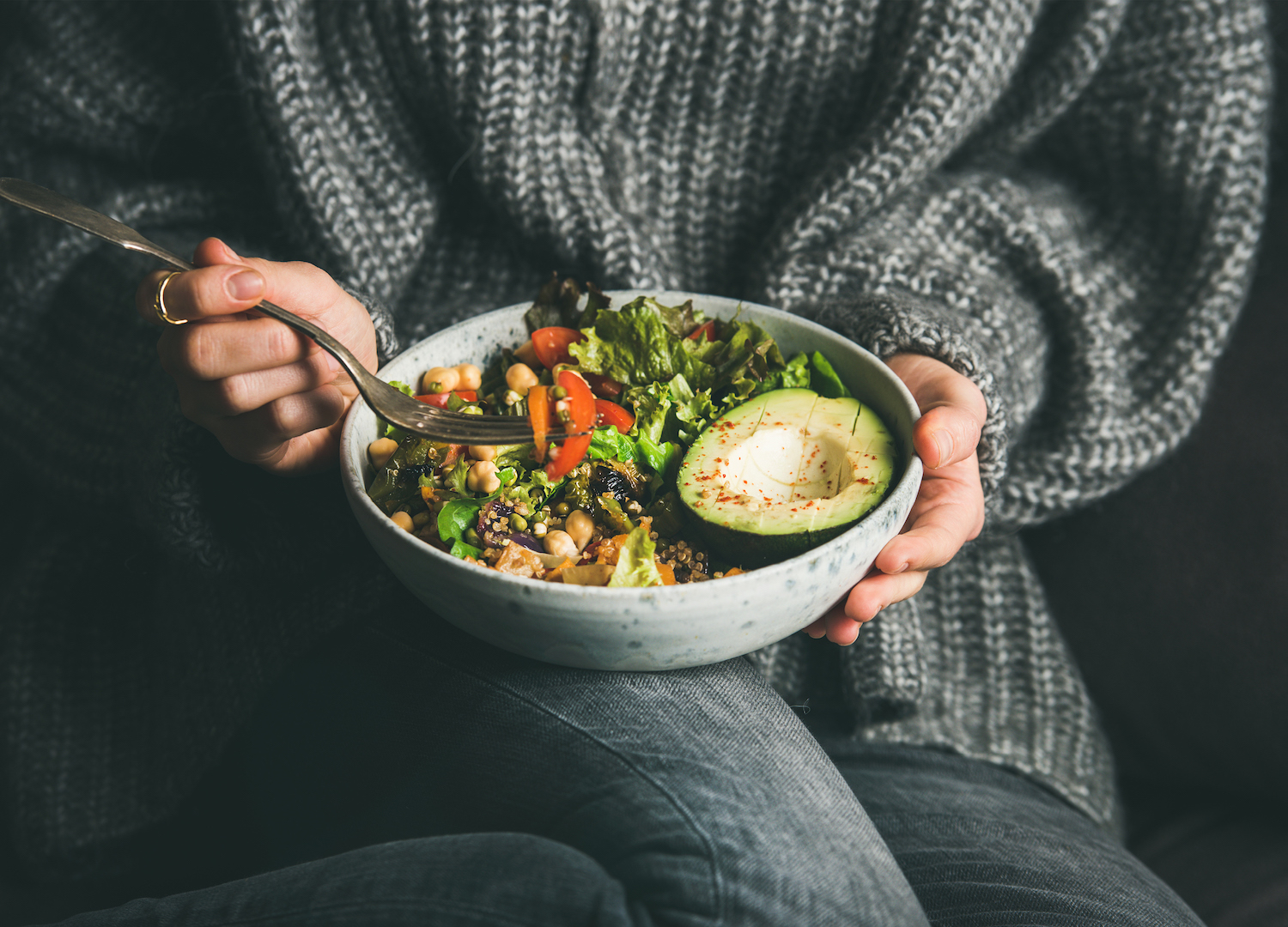
Some of the simplest changes we can make begin in the kitchen. For instance:
Aim for less food waste
Rather than throwing food out, get creative! For instance, if your fruit and veggies are getting old, freeze, pickle or stew them. Make a delicious banana and zucchini bread with overripe bananas. Freeze basil leaves, raw nuts and cooked couscous and rice to preserve their life. Store fresh herbs like coriander and parsley upright in a glass of water in the fridge to retain freshness. Instead of throwing out broccoli stalks, try grating and adding to soups or stir-fry dishes.
Reduce meat
We know red meat has the highest climate impact of all foods, so reducing our meat intake can make a real difference. It doesn’t have to be a strict meat-free diet, but try introducing a few healthy, tasty, easy and filling meat-free dishes into your repertoire such as veggie frittatas, cauliflower and cheese bakes or stir-fry tempeh and veggies. If you do eat meat, watch your portion size. A serving of meat shouldn’t be any larger than the palm of your hand.
READ MORE: So You Want to Learn More About… Nutrition
Other simple steps we can take include:
Connect with nature
Spending time outdoors and cultivating a connection with nature not only offers therapeutic benefits, it also helps foster a sense of appreciation for the environment and encourages sustainable behaviour. This could be as simple as going for a walk or a hike, spending time in the ocean, meditating in your favourite park or getting your hands dirty in your own garden.
Use natural remedies
Natural health focuses on utilising plant-based remedies, herbal preparations and traditional healing practices to support health and wellbeing. For instance, get creative with your own DIY products to help soothe skin, relieve sore, achy muscles, or aid in restful sleep. You’d be surprised what you can create using natural ingredients – many of which you may already have in your kitchen.
It’s important to remember that sustainability is a journey, and it’s okay to start small. Every small change counts and can have a positive impact on the environment.

How can we lower our eco-footprint through food choices?
The food we choose to eat contributes more to our eco-footprint than our transport and home energy use combined, with meat, eggs and dairy products being the biggest contributors. The good news is that we can make a conscious choice about what we put on our plates. Here are just a few things we can do to make a difference:
Consider a plant-based diet
Eating fewer animal products is one of the most effective ways that we can reduce our footprint, as plant-based foods generally require few resources to produce, emit fewer greenhouse gases and have less impact on land and water resources.
Support local and seasonal produce
Buy locally grown, seasonal fruits and vegetables. This not only reduces the carbon footprint associated with transportation, but it also supports local farmers and helps maximise nutrition content.
Choose organic
Pesticides and fertilisers have a large carbon footprint, not to mention the impact on our health, so buy organic when you can. Start with foods that you eat the skin of such as apples, berries, cucumbers, stone fruit, strawberries, tomatoes and leafy greens like spinach and kale to reduce pesticide consumption.
Buy imperfect produce
Choosing imperfect or odd-shaped produce saves food that would otherwise go to landfills, creating greenhouse gases as it decomposes. Plus, these imperfect foods usually come at a discount!
Buy less junk food
Ready-made foods and drinks might not create as much carbon as meat production, but because of the quantity we consume and all that packaging and processing, the climate impact adds up.
Buy in bulk
Bulk buying helps to reduce packaging waste and costs. Bring your own reusable containers to stores that offer a bulk section.

Too often, women especially, are given an either-or choice. How does holistic thinking inform your approach to sustainable living?
Adopting a sustainable lifestyle requires a bit of a mindset shift. We don’t have to take an “all or nothing” approach and it’s important to remember that every little bit counts. I would encourage people to start viewing sustainability as a holistic approach rather than a series of individual actions.
We don’t have to take an “all or nothing” approach and it’s important to remember that every little bit counts.
It’s also about making conscious choices across all aspects of life, including not only things like consumption, waste reduction and energy use but also practising proactive self-care and taking preventive measures to address health imbalances before they become burdensome, chronic conditions.

What’s your best advice for ensuring lifestyle changes remain sustainable over the long term?
Begin by making small achievable changes rather than getting overwhelmed by drastic transformations. Set realistic goals, define your sustainability goals and create a plan to achieve them. Celebrate your achievements, no matter how small, and use any setbacks as learning opportunities to refine your approach. Most importantly, find your motivation. Discover what motivates you personally to live sustainably. Whether it’s protecting the environment, preserving natural resources or creating a better future for generations to come, aligning your actions with your values can provide a strong foundation for long-term sustainability.
READ MORE: So You Want to Learn More About… Mindfulness
This article was created in partnership with our friends at Endeavour College of Natural Health who offer a range of online short courses. Upskill in nutrition, mental health and wellness, business and natural health or get a taste of a natural health degree before embarking on one. For more information visit endeavourshortcourses.edu.au.