








With an ever-changing climate and increasingly sprawling population, the world’s farmland is under threat. But we all need to eat, right? With 580 community gardens around the country, the idea of growing food in cities is beginning to catch on – and the Urban Agriculture Forum is all about sharing knowledge to strengthen that movement. For its second-ever forum, the un-conference brought together government, educators, gardeners, health professionals, innovators and individuals to share ways to help shape sustainable, healthy and resilient food-growing cities around Australia – and here are the top five takeaways you can implement at home.
Protecting the peri-urban
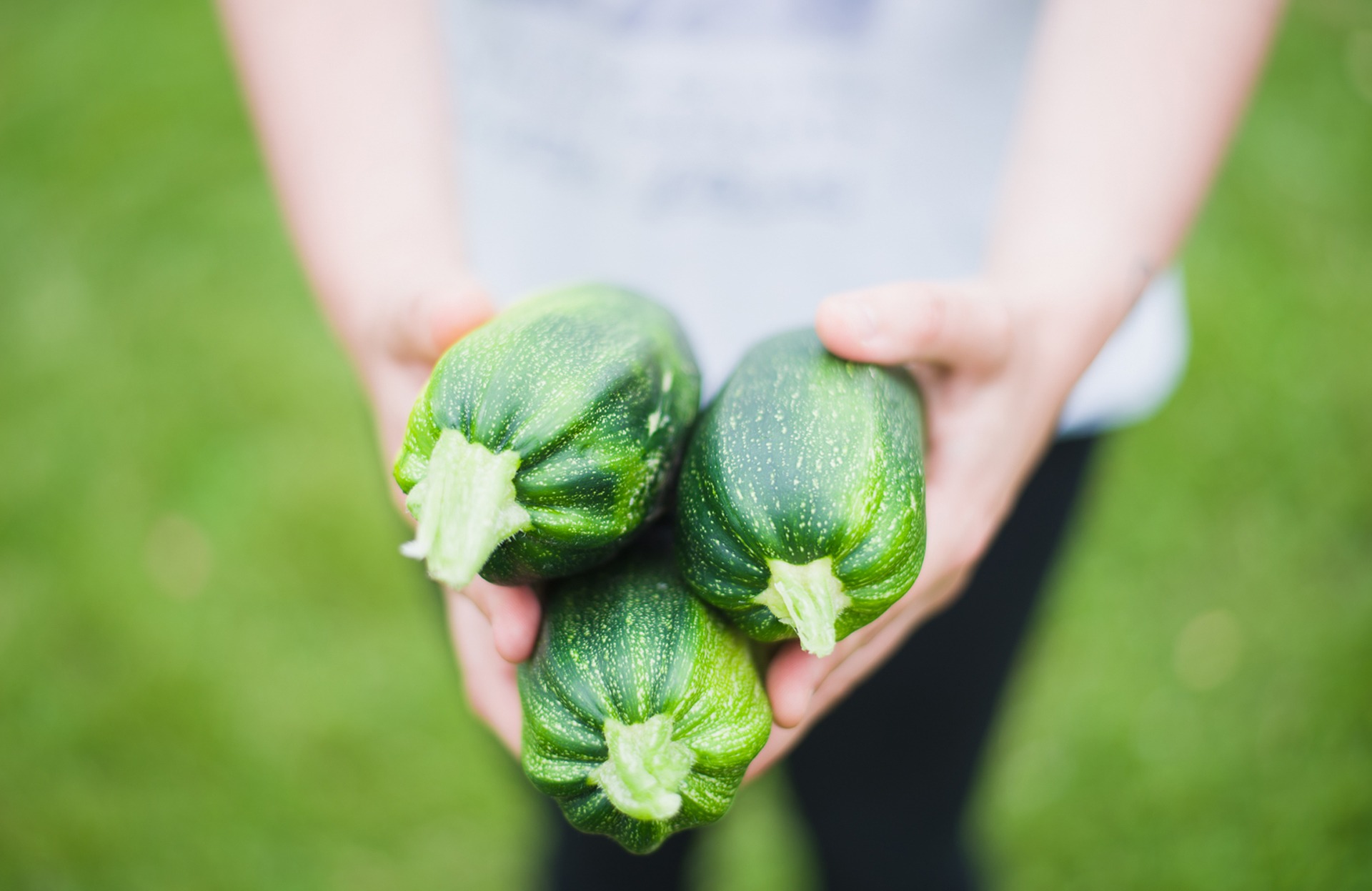
Dr Lenore Newman, from the University of Fraser Valley in Canada, is a researcher and advocate for protecting the peri-urban farm – the farms that sit at the fringes of our city borders, but which keep getting chewed up by sprawl. “We’re on a fight for the world’s farmland,” she said. With only 14% of our total land’s surface being used to grow food (aside from the icy bits), she says “we need to make room for food”. And the solution doesn’t lie with bulldozing more forests. It will be found in urban and suburban farming—growing food within the city it’s meant to feed. So get digging! Even pot plants count.
Worms love avocado
While Australian city dwellers might be big fans of their smashed avocado come breakfast, it turns out it’s the favourite food of worms too! Home worm-farms are an easy way to ensure you’re keeping methane-releasing food scraps out of landfill and generating food (worm juice and compost) for your garden bed at the same time. Vermiculture researcher Liane Colwell from UTS shared that worm juice doesn’t work on native trees, so keep your castings for your veggie patch. And while we already know worms don’t like garlic, citrus or chilli, it turns out they’re also opposed to mushroom, cherry and even green bean scraps – so take these off the menu at your worm cafe.
Waste wake-up call
China’s ban on foreign waste imports has left Australia in a bit of a pickle, but Rob Pascoe from Closed Loop thinks it’s the perfect moment for change. “We’re now facing this perfect storm. Why don’t we demand that we use our resources,” he said. Closed Loop’s Simply Cups coffee cup recycling program (as covered in Issue 35 of Peppermint) is forging ahead. And the company’s also recently started using a new world-first technology to transform any flexible plastic back into any plastic shape. A circular economy is within our midst! But the best action is still to not create the waste in the first place. “We’ve only become a throwaway society in the past 30 or 40 years.”
A bug’s life
Soil scientist Declan McDonald is on a mission to convince gardeners to “replace optimism with science” – swapping out the ‘she’ll be right, mate’ attitude for understanding the basic chemistry that makes our home gardens thrive – and that includes the creepy crawlies that live in soil. “In any biological system it’s about maintaining the balance,” he said. And the vast array of micro and macro-organisms that live in our soils help keep that essential balance, creating the soil’s structure (and its pockets of water and oxygen) and regulating the nutrient supply. So instead of thinking about feeding plants, we need to think about feeding the soil and keeping its hardworking bug communities healthy and happy (and they’ll channel that love back up the plant pipeline).
No more ‘bush tucker’
“You can’t eat our food if you can’t swallow our history,” said Bruce Pascoe. The Aboriginal author of Dark Emu (who we interviewed in Issue 33 of Peppermint) would like us to stop using the term ‘bush tucker’. He says Aboriginal peoples didn’t just stumble upon food in the bush – instead, ‘bush tucker’ was their fruits and vegetables, and while they did forage and hunt, they also cultivated crops, just like farmers grow our potatoes and wheat today. Finally, their bread wasn’t ‘damper’, but risen loaves made from kangaroo grass, water lily seeds and nardoo seeds ground against a rock into flour.
Brighten up your inbox with our not-too-frequent emails featuring Peppermint-related news, events, competitions and more!
explore
We look forward to connecting with you.