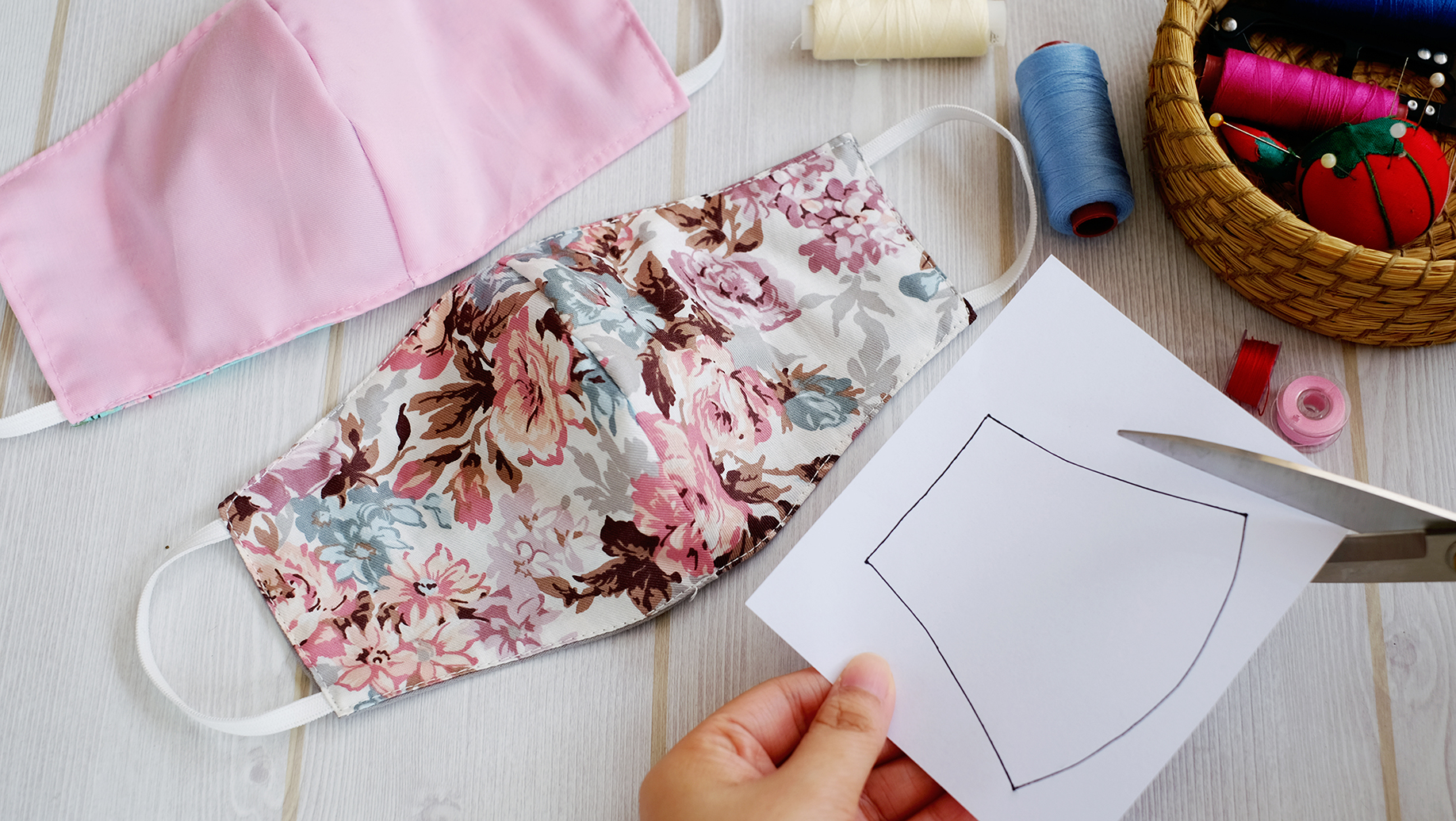
So it’s looking like masks are set to remain as a handbag staple, living happily next to half a chocolate bar and that old lip balm from who-knows-when. We’ve been fairly lucky here in Australia, but whether you’re still in lockdown or looking to travel, masks are still a necessity in many places as a simple thing we can do to help protect each other. If you’re anything like us though, the current consumption rate of single-use masks may be making you feel a little conflicted. On one hand, masks are vital in our fight against COVID-19 as they create a physical barrier when physical distancing isn’t an option. However, on the other hand, disposable masks are single-use, have a short life cycle and cannot be recycled. (Here’s a tip from the RSPCA – snip the straps after use to help protect our wildlife).
There are definitely some situations where disposable masks are a necessity, but if a reusable fabric version is sufficient for your needs, then why not sew your own? Fortunately, whipping up your own reusable mask is relatively simple and there is no need to buy fancy fabrics – you may even already have the materials lying around at home. While wearing masks may not be super fun, stitching up something to match your outfits is one way to jazz up your duty!
Here’s a few tips, tricks and patterns to get you started. Stay safe and happy sewing!
FREE PATTERNS
Where to start?! There are tons of patterns floating around the sewing community – here’s a little round-up of some of the best and easiest to sew that we’ve spotted.
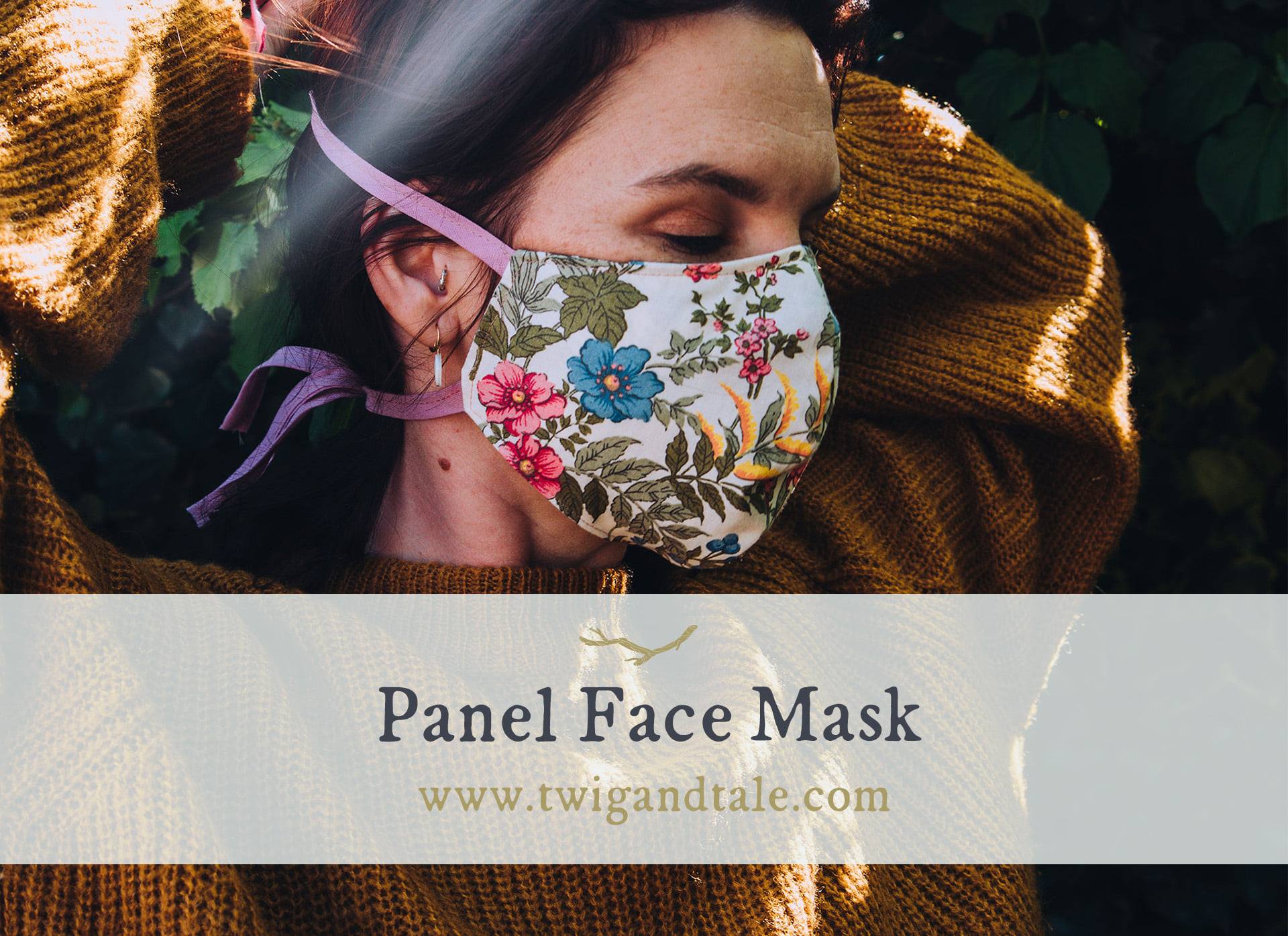
This pattern offers two different styles – the pleated and panel style masks. There are multiple sizes (including children’s) so you can achieve the best fit, along with options for adding a pocket filter and removable nose bridge.
Birch Creative provides a clean, moulded face mask pattern with three sizes (including one for children). The instructions teach you another method for inserting the elastic (wrapped behind the head) which may be more comfortable for some.
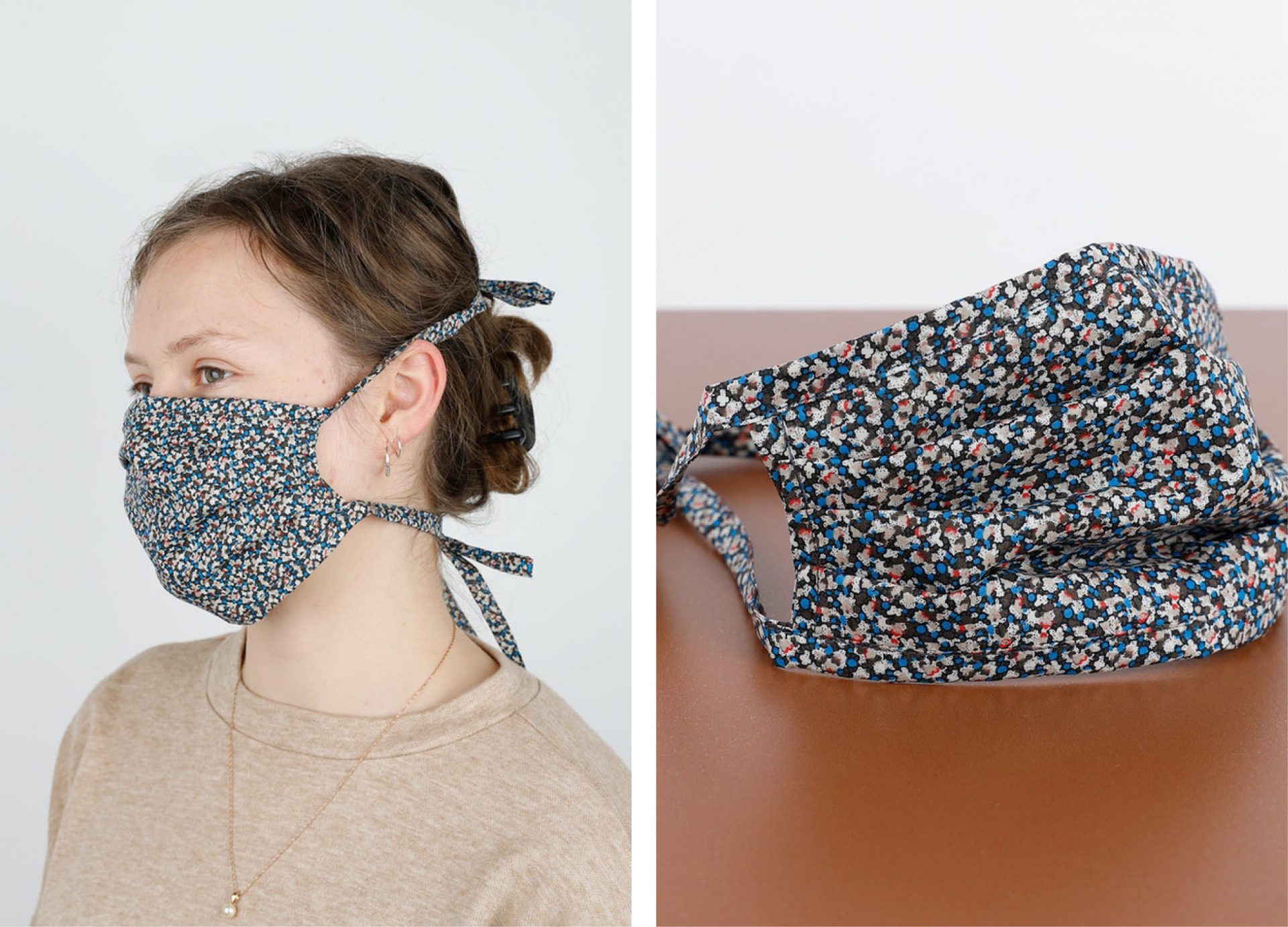
The sewing experts over at The Fabric Store tested out four easy-to-sew-yourself patterns, including one from Geneva Vanderzeil of Collective Gen. They (naturally) used their own range of densely woven cotton, linen, and cotton blend fabrics, bias binding and filters.
After trying many different mask patterns and not being happy with the fit, Gwen set to work creating her own hybrid 3D/moulded version. Her aim? Maximum comfort during wear, most ease of sewing and minimum fabric waste. She provides a downloadable pattern and step-by-step photo tutorial. This pattern produces one size but she shows you how to enlarge it with the ‘slash and spread’ method.
Craft Passion offers a face mask pattern with four sizes, from age three and above. This mask includes an option for a removable filter and removable nose wire. Don’t have a printer? They have you covered (sorry), with an option of tracing the pattern straight from your monitor.
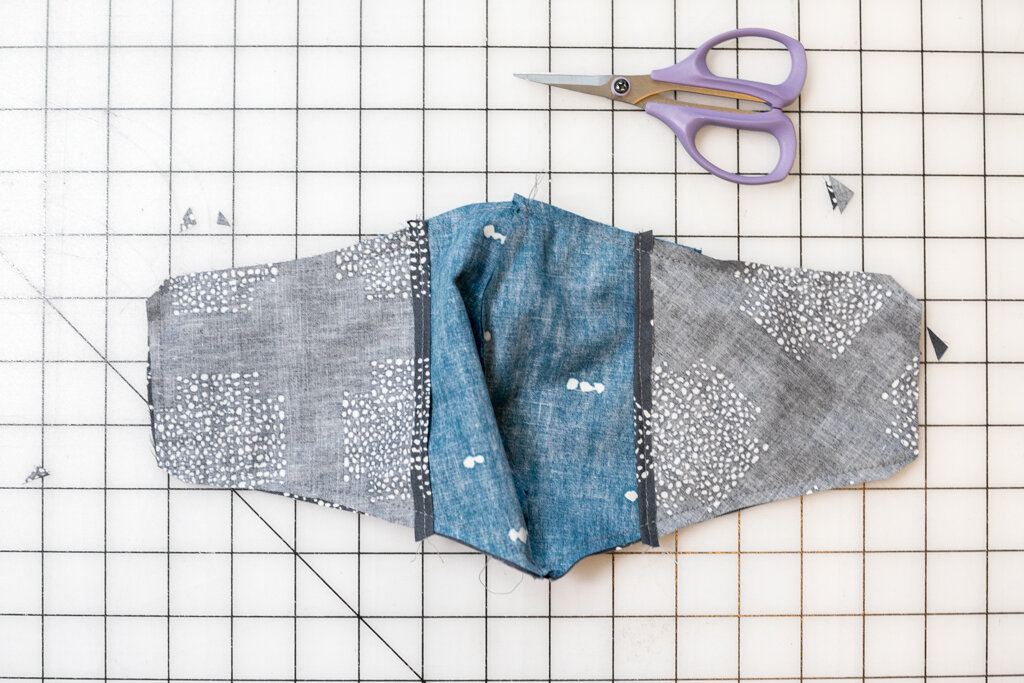
SewCanShe (tutorial for the Olson pattern)
Caroline from SewCanShe uses the Olson pattern by UnityPoint Health and delivers an easy to follow photo tutorial and video on making your own. The pattern from Unity Point was developed by medical professionals in Iowa, Illinois and Wisconsin, to be used as a last resort when surgical and N95 masks became unavailable. It includes a pattern for adults and children with a pocket for a filter.
Spotlight has a number of patterns accompanied by written instructions and video tutorials for each one. They include the pleated style, the clean moulded look and even teach you how to customise your own – with tie dye and embellishments!
All sewed out?
While it may not pass the recommendations, this no-sew tutorial from Headspace uses a bandana and hair-ties as a quick fix for when you have no other options. And if you want to just buy a pre-made mask, then we listed a few brands here, Yarli Creative make some with original Indigenous artwork or this list of local companies from Ethical Clothing Australia might hit the spot.
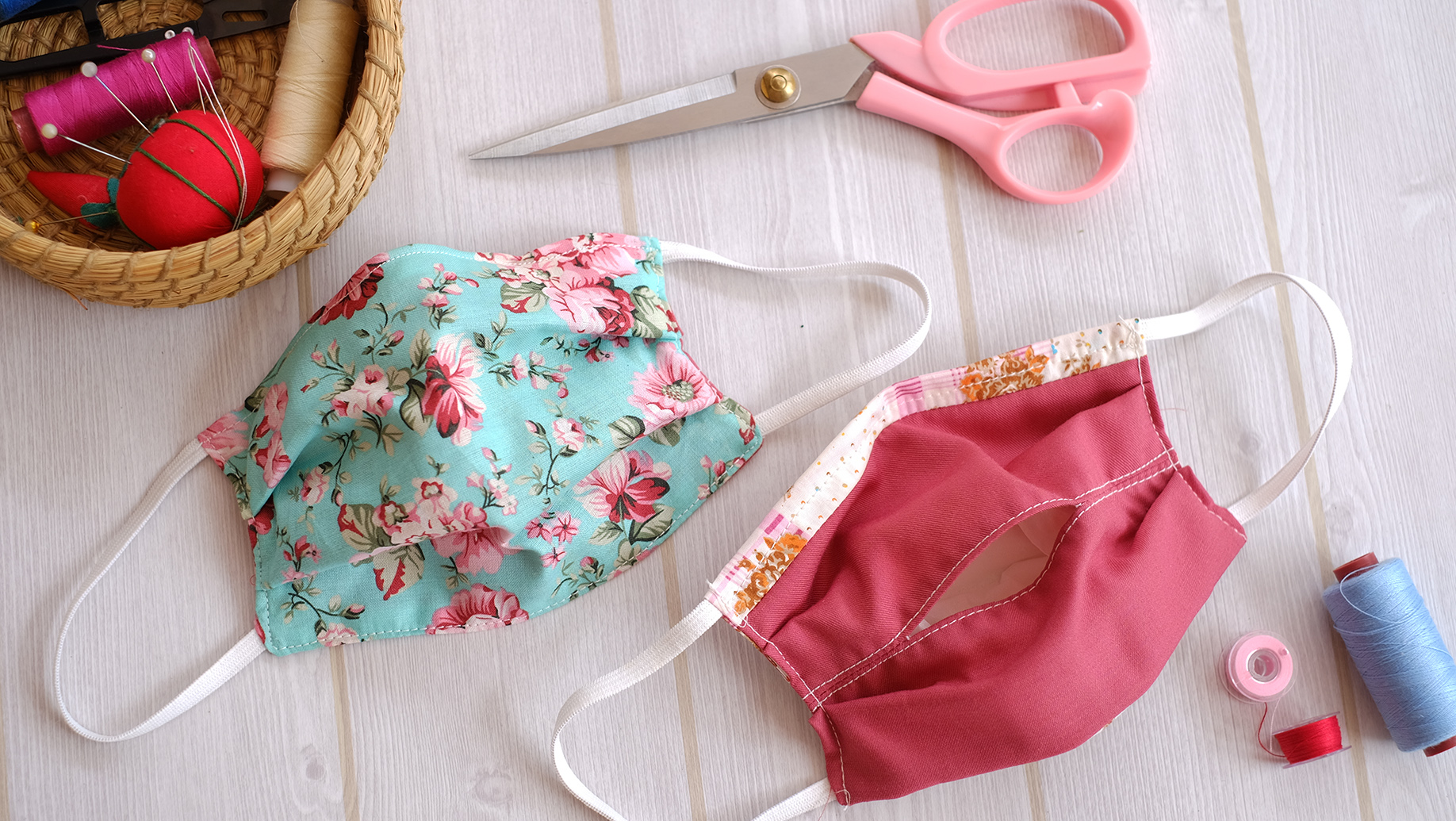
TIPS FOR SEWING YOUR OWN MASK
Fabric choice
Most of the recommendations state that you need three layers, but please check your region’s guidelines, as they can differ in different parts of the world.
LAYER 1: This is an inner layer that will be closest to the face. You want this to be water absorbing and soft and gentle on the skin, so a natural fibre such as cotton is perfect – think old T-shirts, PJs.
LAYER 2: This layer is the middle layer and is going to act as a ‘filter’. We want this to be a synthetic fibre, such as cotton/polyester – think pillow protectors, reusable ‘green’ grocery bags, lightweight fused interfacing, enviro cloths.
LAYER 3: This is the external outer layer. We want this to be water resistant and moisture wicking. Fabrics such as polyester and nylon work best – think old sports clothes or activewear.
A few local guidelines: Aust Government Department of Health, NSW Government and Victorian Government.
Ear loop alternatives
Thinner elastics work best for all day comfort. If you can’t get your hands on some, try using rubber bands, hair ties, shirring elastic or cutting up an old T-shirt into strips and creating T-shirt yarn. Or alternatively use woven fabric to make fabric ties.
Nose wire alternatives
Nose wires can help achieve a better fit and also help prevent foggy glasses. You can re-use wire from surgical masks, twist ties, pipe cleaners, hardware wire or florist wire.
Am I wearing my cloth face mask correctly?
You want your cloth face mask to fit snugly around your face, with a focus on covering the nose and mouth. The elastic should be pulled back, behind the ears, or tied at the back of the head to allow a snug fit. If you find elastic ear loops behind the ears uncomfortable (face masks aren’t that fun to wear!), you can ease pressure by joining the elastic loops at the back of your head with a ribbon, attach it to a headband, use hair clips or check out these hacks for people with short hair.
A few notes when using fabric masks
Please remember that masks sewn by yourself should be for personal use only and are not considered medical grade. Some other points to consider:
- They are reusable but it’s best practice to change masks as soon as they are damp.
- Wash with soap and hot water between uses and store in a zip lock bag when you’re not using it.
- Practice hand hygiene when removing and storing masks, handling them by their elastic loops.
- Masks should not be shared with others.
- Inspect masks for tears or holes regularly and do not wear a damaged mask.
Otherwise, have a little fun and make the best of a bad situation. Sewing your own mask means endless opportunities for using leftover scraps to match your outfit (double points if you can convince your partner to match you too)!
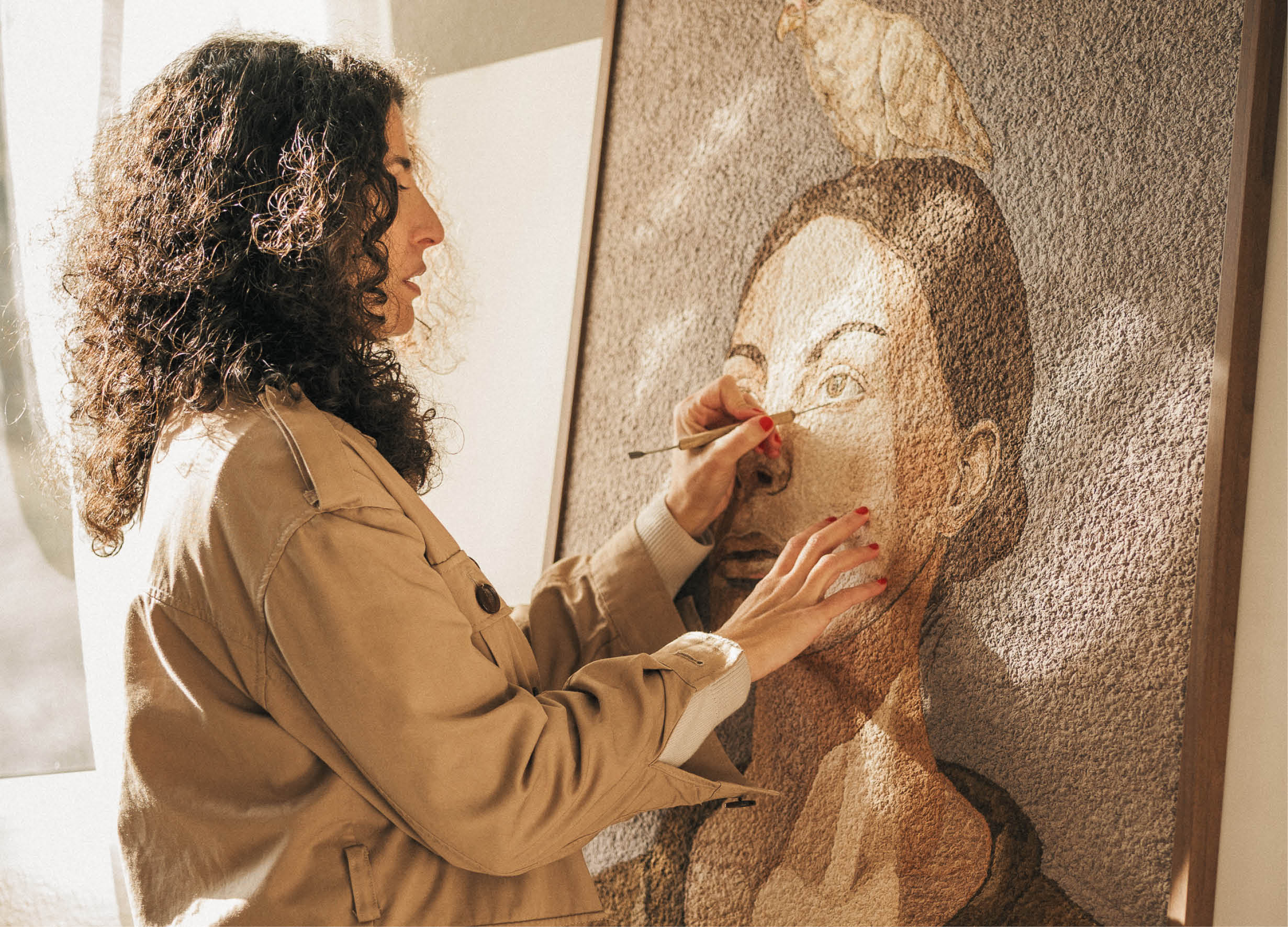
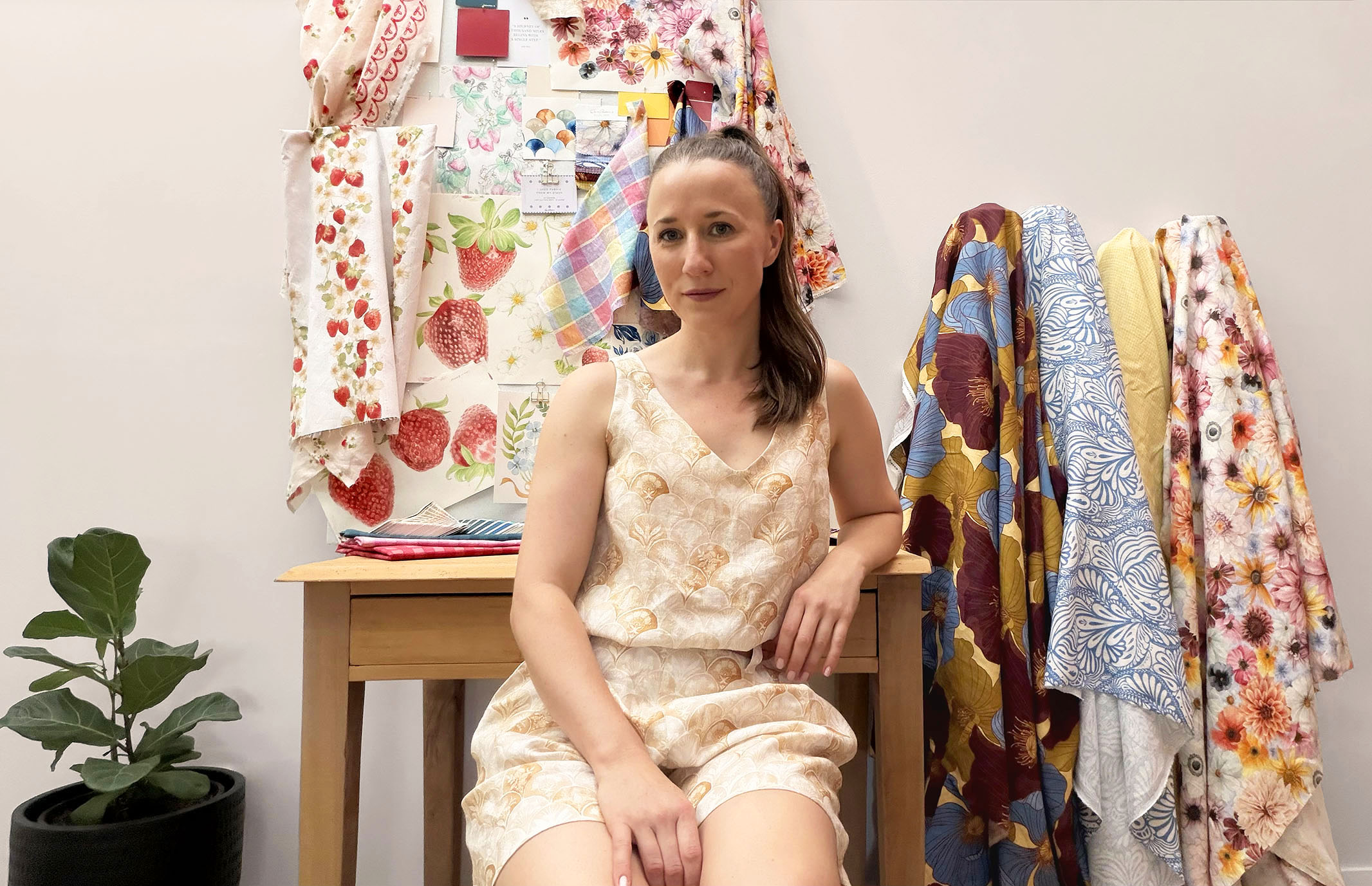

“My piece of advice for makers and designers? Run your own race… make sure your key decisions stay anchored in your brand’s core beliefs.”
- Bec Bligh
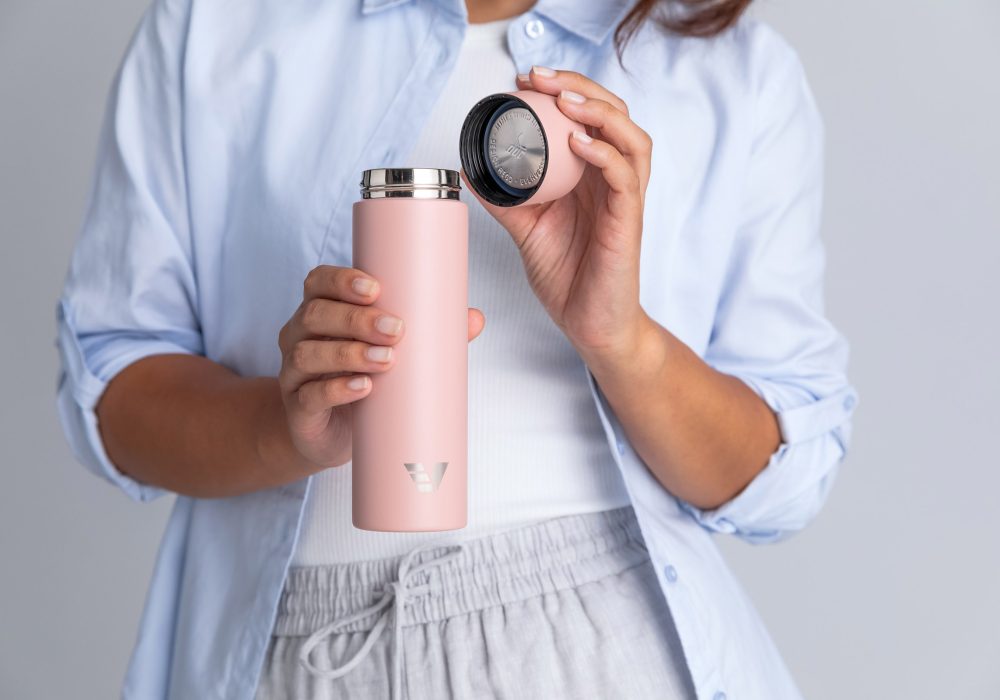
Quick show of hands: who’s opened a water bottle expecting a refreshing sip… and instead been greeted by the unmistakable whiff of uh-oh?
Because for something that follows us everywhere (desk, car, hikes, yoga…), the humble drink bottle is strangely prone to becoming a science experiment. Hard-to-clean corners and gaskets. Mystery smells. Bec Bligh and her husband Tim know it well. A six-month sailing trip along the Queensland coast left them with a lifetime of memories and one stubborn annoyance: mouldy water bottles they couldn’t properly clean.
So they did something about it.
Enter @EverVessel. Thoughtfully designed borosilicate glass and stainless steel bottles that keep things beautifully simple: durable materials, wide openings, easy-to-clean parts and none of the techy gimmicks that tend to age badly. Turns out simplicity, done well, is pretty powerful stuff. (Their many design awards agree!)
And lately they’ve added a little extra delight: the Artist Series, where creatives like Paola Castro, Ben Miners and Martin Thompson transform these everyday companions into tiny travelling artworks. There are more colabs in the works, too: hydration, but make it joyful! 🎨💧
We chatted with Bec about the sailing trip that started it all, the philosophy behind Ever Vessel, and why the most sustainable product is often just the one you keep using.
Tap the link in our bio to read the full conversation. 🚰
#EverVessel #ReusableWaterBottle


Pull up a chair… there’s room at this table!
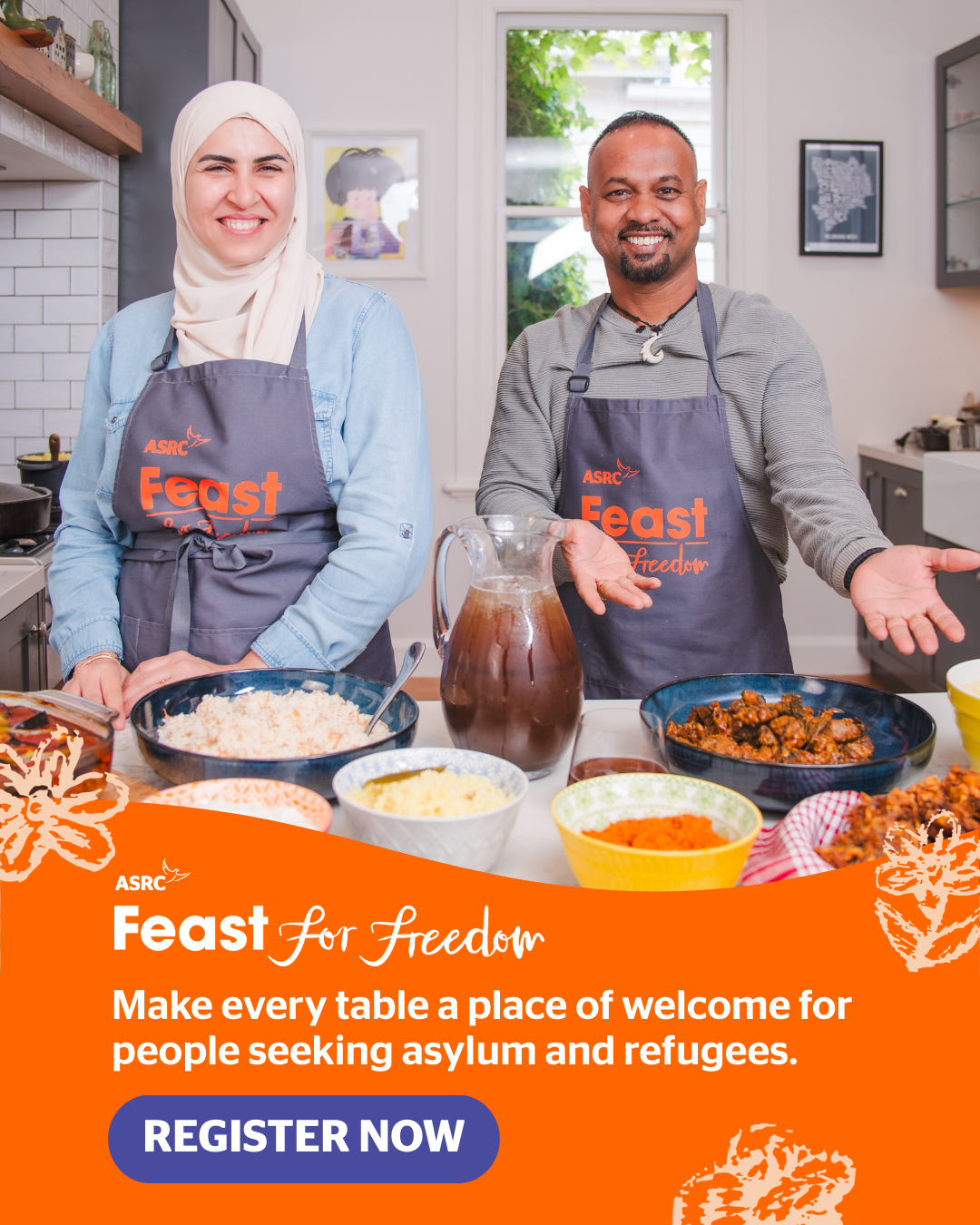
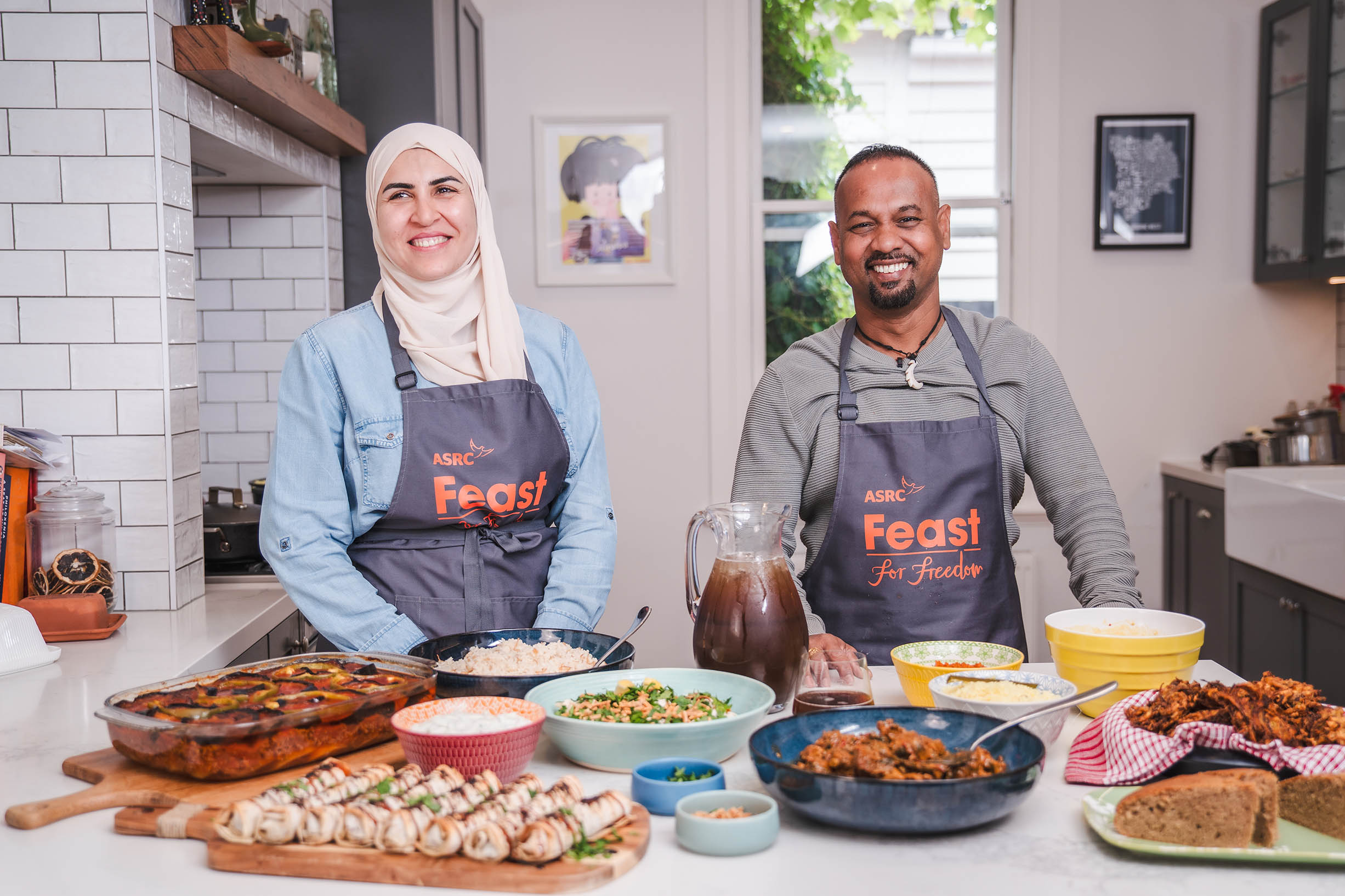
For the first time, Feast for Freedom is bringing people together for a spectacular long-table dinner as part of the Melbourne Food & Wine Festival.
A Longer Table is exactly what it sounds like: one beautiful shared table inside the Asylum Seeker Resource Centre (@Asrc1), piled with generous dishes inspired by this year’s hero cooks, Noha and Nige.
From 6 to 9pm on Wednesday, 25 March, this is what you can expect:
🍽 A three-course shared feast
🍷 Matched drinks
🎶 Live entertainment
✨ A room full of good humans
Your ticket doesn’t just buy you a delicious dinner. It supports the ASRC’s vital work and helps create a fairer future for people seeking asylum.
Seats are limited, and long tables have a way of filling up quickly – head to @MelbFoodAndWine’s website to book now: feastforfreedom.org.au/mfwf
#FeastForFreedom #MelbourneFoodAndWineFestival #LongTableDinner #FoodForChange

Sew versatile! 🪡
Another great make from Lisa from @SunnySewsEveryday:
My #PeppermintWaratahWrapDress is finished and I’m so proud of it. It has been designed not to flap open and flash your pants in the wind, so I feel confident it will be a great wheelchair or standing dress in English weather.
#PeppermintPatterns #WrapDress #WrapDressPattern

Frame your face with the Peppermint Bucket Hat!
Stay safe and stylish in the sun with your very own self-sewn and self-drafted wide-brimmed bucket hat. This beginner-friendly sew is perfect for a sunny day. Get out your pencils – this pattern is created using equations and maths!
This DIY project was featured in Issue 53 and now you can access it for the lovely low price of only $5.
Sun-safe chic is always in style. ☀️
Find it via the link in our bio!
Photos: @KelleySheenan
#PeppermintPatterns #PeppermintBucketHat #BucketHat #BucketHatPattern #DIY

✨ INSTANT CLASSIC ✨
The Peppermint Myrtle Shift Dress is a beginner-friendly make with a few special details based on the ever-stylish shift shape – the perfect dress you need in your wardrobe right now!
Myrtle cuts above the knee with options to customise the length. Don’t think she’s reserved for hot weather either: try a heavier-weight fabric to turn your Myrtle into a pinafore-style garment for layering.
For our fabrics we chose two from our lovely sewing partner @Karmme_Apparel – the bold Rottnest Stripes in a lightweight, soft-drape cotton, and the quality linen in the handpainted Mexico Collection.
Get making the Myrtle – the only question is, can you stop at just one?
Link in bio 🪡
Fabric: @Karmme_Apparel
Sewist: @Laura_The_Maker
Photos: @KelleySheenan
Models: @SerahSews and @Pins_And_Tonic
Location: @ShareTheDignityAustralia
#PeppermintMyrtleShiftDress #PeppermintPatterns

It’s time to Feast!
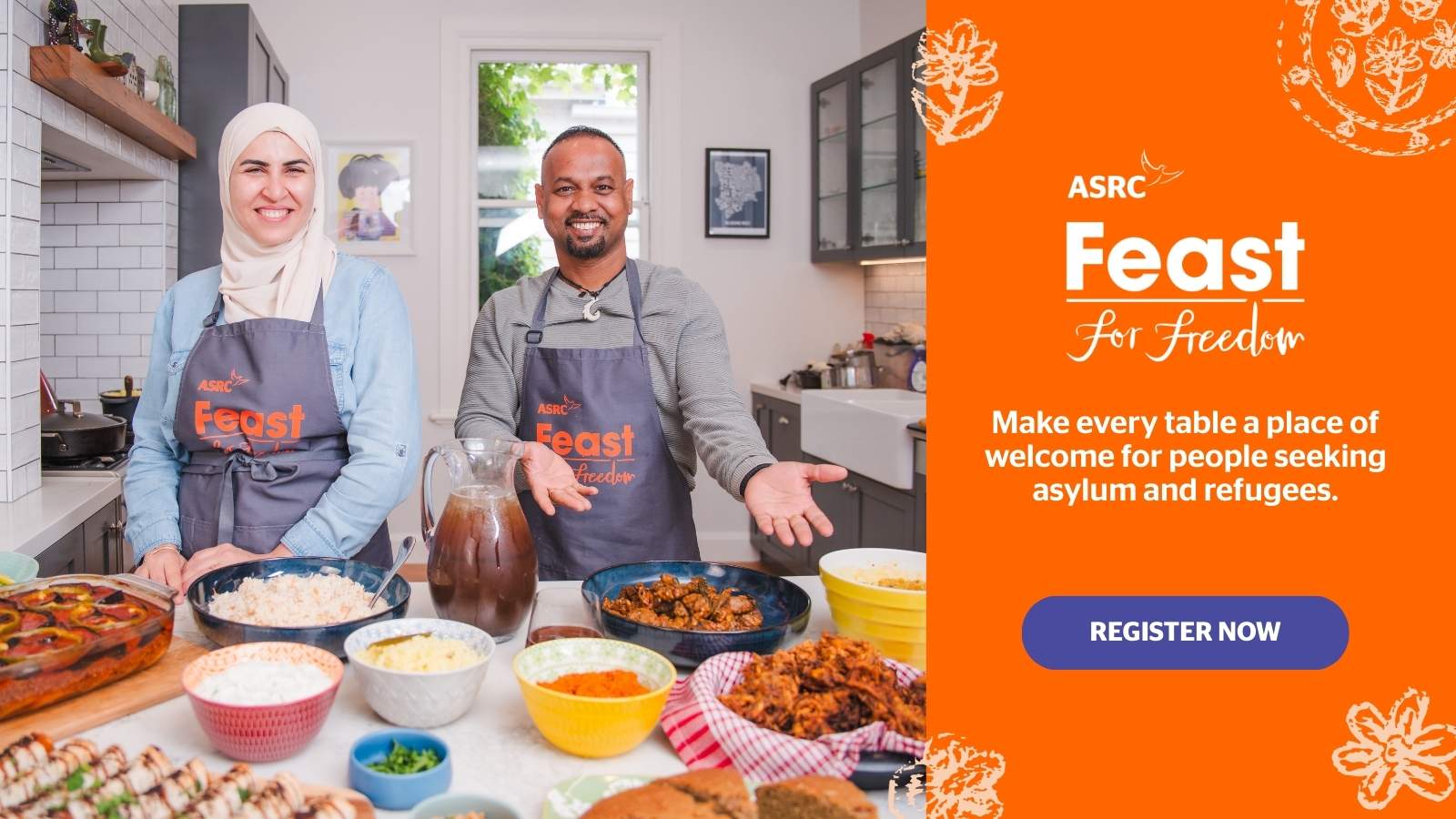
Some recipes travel a long way before they land on your table to delight your taste buds. This year’s Feast for Freedom invites us to gather our friends, cook something delectable and raise funds for the incredible work of the Asylum Seeker Resource Centre (@Asrc1) while we’re at it.
The 2026 Feast features recipes shared by two remarkable cooks: Noha, who brought the flavours of Palestine with her when she arrived in Australia, and Nige, a Sri-Lankan Tamil cook whose journey with food began in the most unexpected of places.
You can host your own Feast up until 30 April – simply register online and get planning! Host a dinner, organise a workplace lunch, or gather your community… However you do it, the idea is simple: cook, connect and celebrate the cultures and stories that shape Australia.
Want to find out more? Head to the link in bio to meet Noha and Nige, learn more about their stories, and discover a delicious recipe to try.
#FeastForFreedom #PeppermintMagazine #FoodForGood #ASRC
