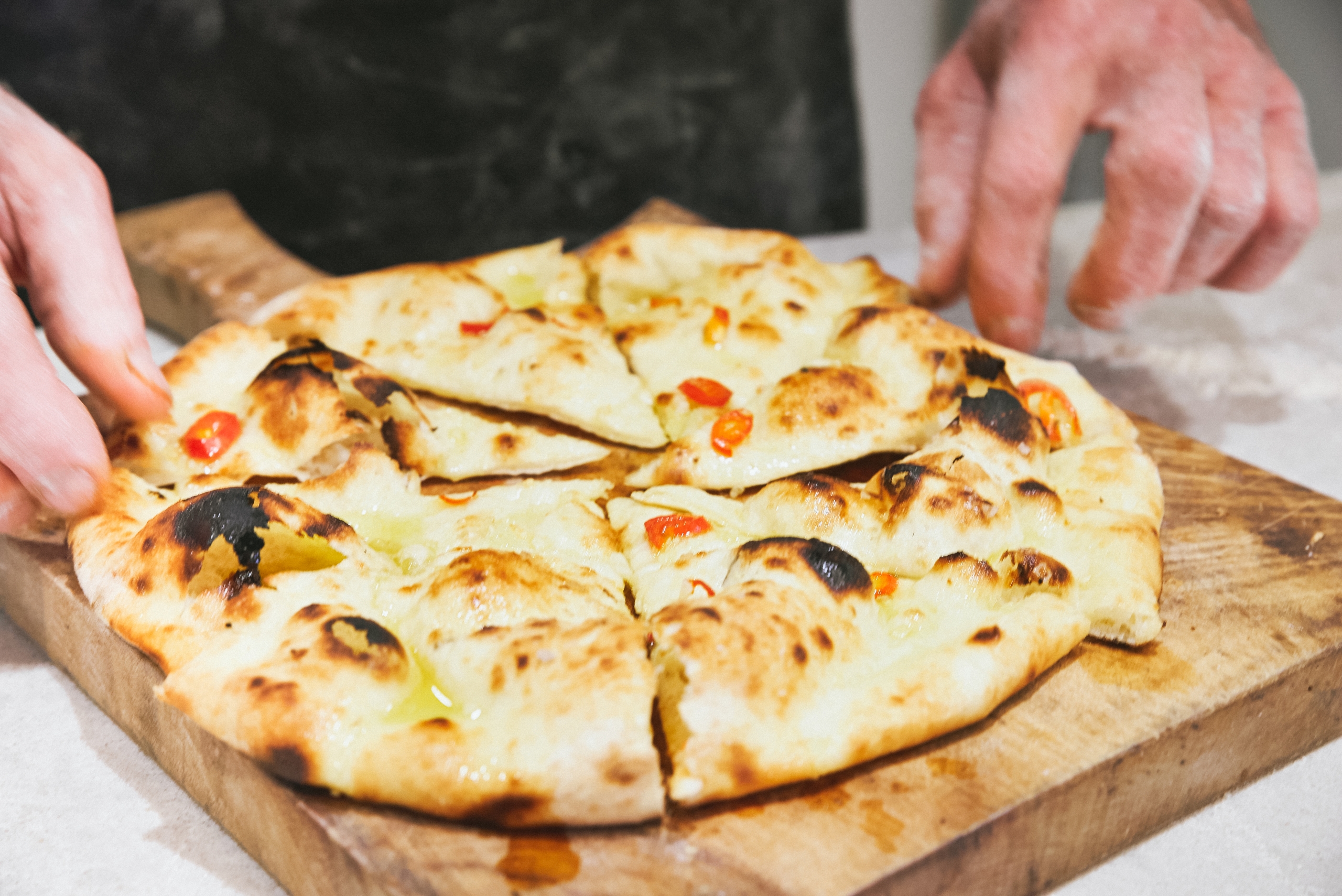
If there’s a better comfort food than pizza, we’re yet to chow it down. It’s why we partnered with our friends at Lighthouse to bring you this simple make-it-yourself pizza dough recipe – so you can whip up your own creation whenever the craving strikes. And let’s face it, when doesn’t it strike?
Ingredients
3 cups (250g) Lighthouse Bread & Pizza Plain Flour
7g dried yeast
2 tsp salt
320ml lukewarm water
4 tsp olive oil
Method
Made by hand
Dissolve dried yeast in lukewarm water, stir and set aside for 2 minutes or until little bubbles form on the surface – this way you know your yeast is alive.
Measure out the flour, add salt and, if working straight onto a bench space, push ingredients into a pyramid (if you are using a bowl this is not necessary) and make a well at the top.
Pour the olive oil into the well and then slowly pour in some of the yeast/water mixture. Using your hands, fold the flour into it. Do this until all ingredients are mixed.
Knead dough on flat, floured surface until smooth and elastic.
Drizzle the ball of dough with olive oil (this prevents the dough from sticking to the bowl and enriches the dough flavour) and place in a clean bowl.
Cover with a damp tea towel and place somewhere warm for an hour or until dough doubles in size*.
Made with a mixer
In the bowl of a mixer, dissolve the yeast (if you are using fresh yeast, just double the amount required of dried yeast) in lukewarm water.
Put the bowl into the mixer and add the measured flour, salt and then drizzle in the oil. Using the dough-hook attachment, mix the ingredients for 5-7 minutes, watching as a dough ball forms. Use personal judgement as to whether or not another tablespoon of water needs to be added.
After 10 minutes, remove the dough ball, drizzle lightly with olive oil, place in a clean bowl and cover with a damp tea towel. Set aside in a warm place for an hour or until dough doubles in size*.
*time taken for dough to double varies depending on conditions.
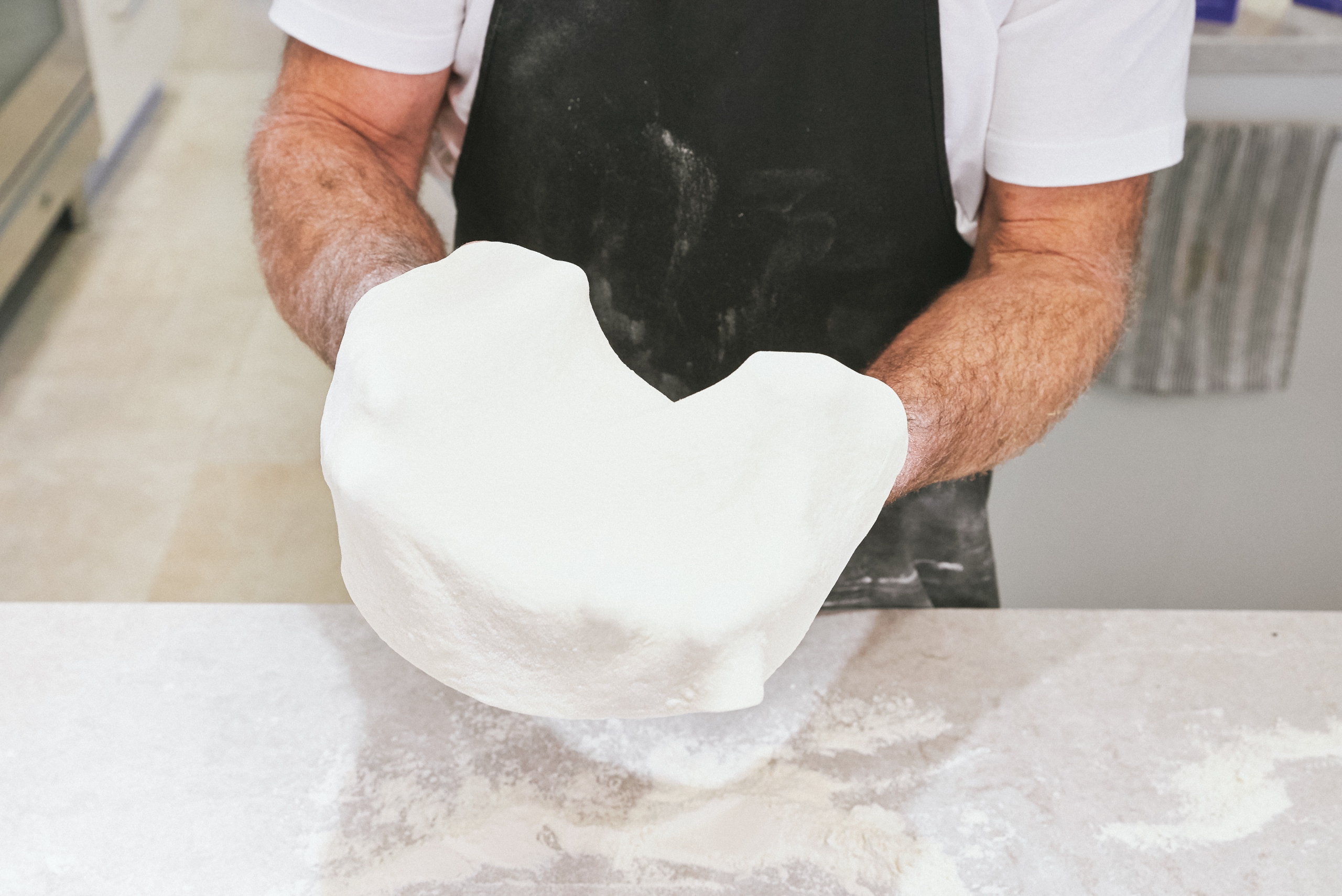
Preparing the dough
Once your dough has risen, divide it in half (or more if you want smaller pizzas) and roll into balls. Place onto a clean tray and leave to rise again for an hour.
For best results, leave the dough balls covered in the fridge over night – this greatly improves the flavour of your dough and also reduces the elasticity, so you can roll it out and get that perfect base and crust.
Alternatively, if you want to make pizza on the same day, you can roll out the dough balls after having let them rise again for a minimum of an hour. However, do note that you will find the dough difficult to roll out due to its elasticity and it will result in a thicker pizza base.
Three ways to shape your base
On a well-floured surface, take one of the dough balls and flatten by hand. With reasonable care, push and pull the dough into a round shape. Spinning the dough around using your fingertips is also a great way to get it to stretch out. Do this until the dough is thin and in the right shape.
Use a rolling pin to roll out the dough to the desired shape and thickness. Note that this method will result in a thinner and flatter pizza base with no crust, as the rolling pin presses out the air bubbles.
This one’s similar to the first option – but after stretching the dough out a little bit, pick it up and spin it in the air. Gravity will take care of the rest. This trick might take some practise and good hand-eye coordination! If your fingers go through the dough, just pinch it back together.
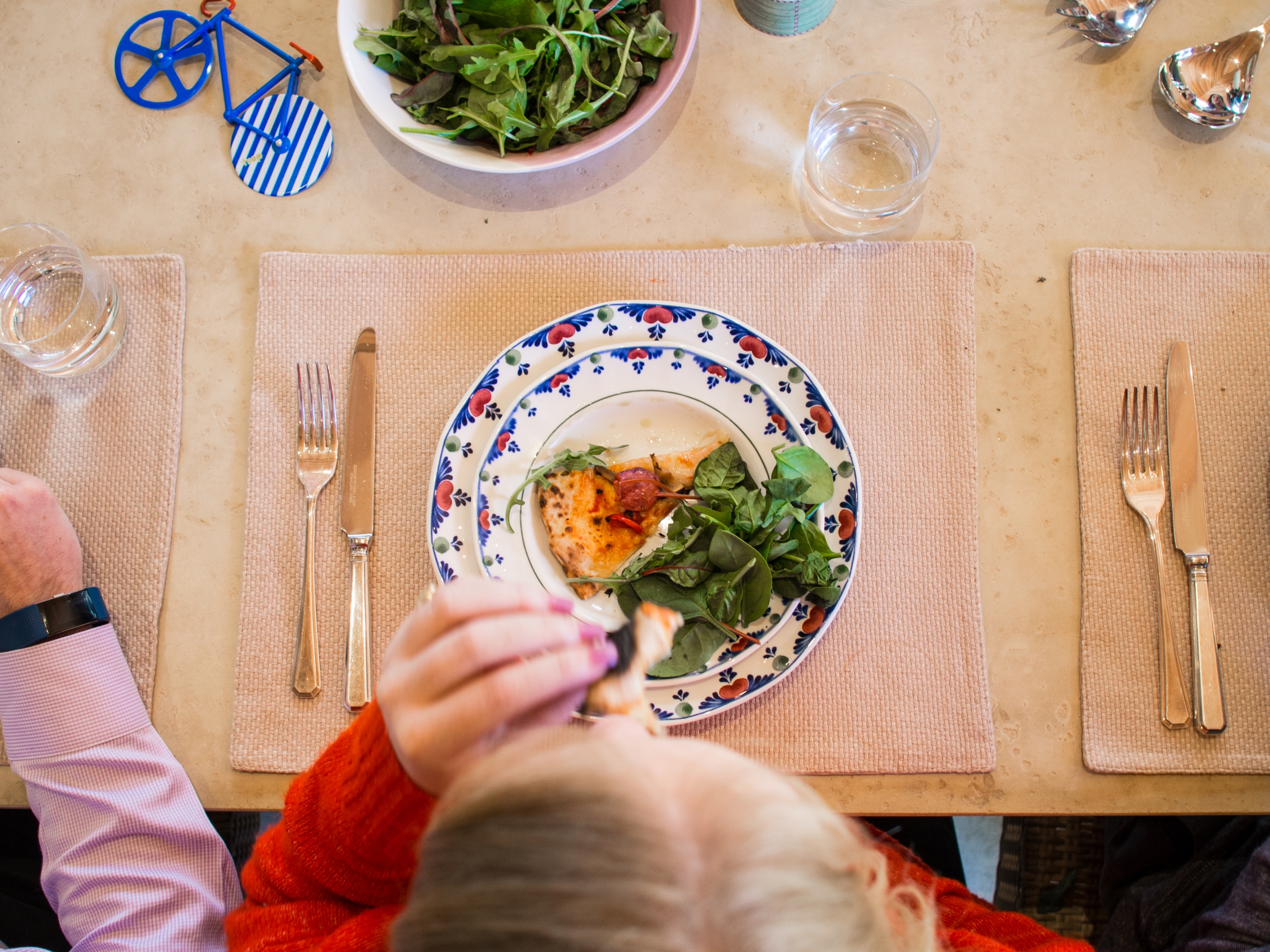
Et voila – you’ve only gone and made a pizza base! Now chuck your fave toppings on it, get it in the oven and bask in the comforting glory of what you’re about to eat – you totally made that!






Between 2000 to 2015, global clothing production doubled... while the duration of garment use decreased by 36%.
We are throwing away clothing at a faster rate than ever before. How can we tackle this problem?
✨️ WEAR
Be an outfit repeater - wear your items of clothing as long as possible. Learn to style your garments in various ways. Loved clothing lasts.
✨️ SHARE
If you really need to move it along, share the love with friends - hold a clothing exchange night! Or organise a timeshare with a friend where you swap a few favourite pieces of fashion. If you really can`t find a new home for it, then donate to an op shop or charity.
✨️ CARE
The care of your clothing – washing, drying and ironing – can account for approx 30% of a garment`s total carbon footprint. Hand wash, line dry, wash in cold water, and only wash when necessary.
✨️ REPAIR
Mending – and making – slows down fast fashion buying habits. Repairing used to be common practice, until disposable fashion took over. Extending the life of clothing by just nine months can reduce carbon, water, and waste footprints by 20–30%. Fixing doesn`t need to just be utilitarian – get creative with visible mending!
*Fact from The United Nations Environment Programme
#PeppermintMagazine #WearShareCareRepair #SustainableFashion


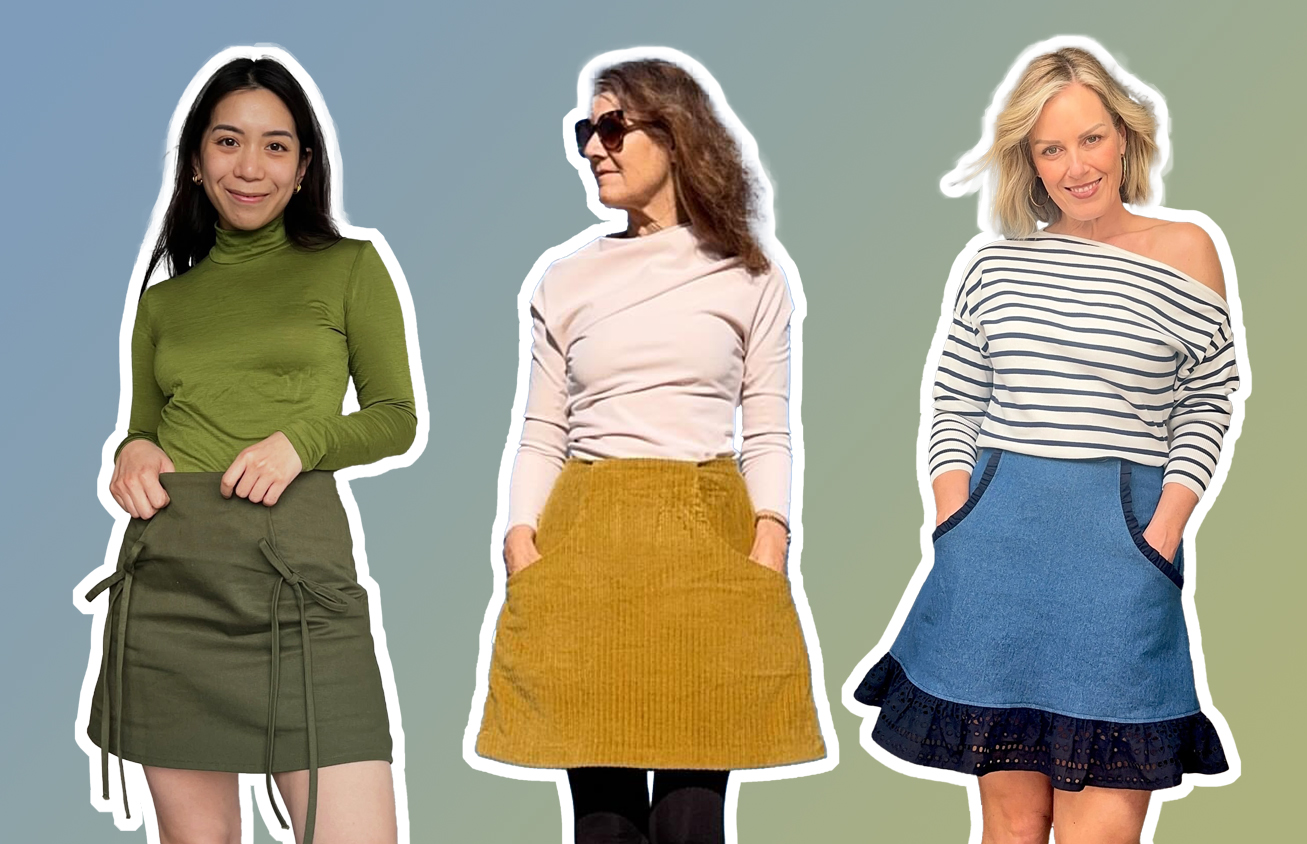
Have you whipped up the Acacia A-Line Skirt yet? 🪡
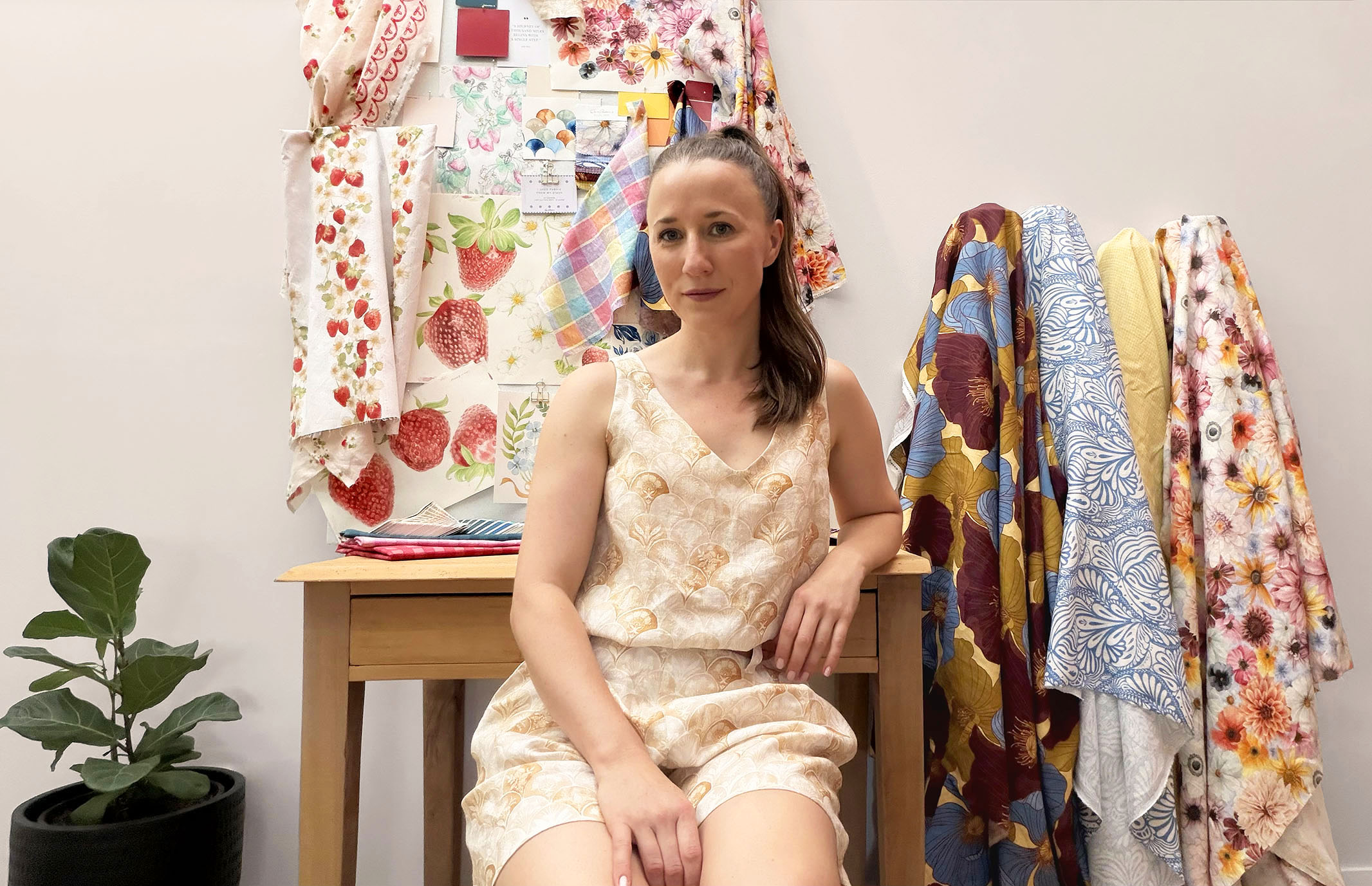
Accessible to beginner and experienced sewists alike, its classic style makes this skirt a wardrobe staple and a pattern you can happily play on repeat. Curved front pockets and the fun exposed-zip detail at the centre back make this style pop! The Acacia is a blank canvas, awaiting inspiration – add contrast top stitching, trim the pockets with bias binding or even change the length. We’ve chosen the smooth, clean lines that come from facing the waist, with back darts to ensure a neat fit on the hip. *chef’s kiss*
This pattern was made with the support of the lovely folk at @WeftAndWarpFabrics 🫶🏼 The team at Weft and Warp graciously sent three sewists the fabric of their choice to whip up their own Acacia A-Line – the results are super sweet!
Head to our website to see the makes from @The.Sewcialite @HandmadeByCarolyn and @You_CanSew - link in bio!
#PeppermintAcaciaAlineSkirt #PeppermintPatterns #WeftAndWarpFabrics #MeMade

Polka dots for days…
We love this Tansey Top by @_Rubys_Threads_ - the ultimate simple but stylish top you need in your rotation now!
Pattern: #PeppermintTanseyTop
Fabric: Japanese cotton @RawFibre
#MeMade #PeppermintPatterns

How`s your long weekend going? Working hard on your PhD? 🪡✂️🧵
Image from JoellsLeatherWorks on @Etsy
#ProjectsHalfDone #SewingPile #ProjectPile

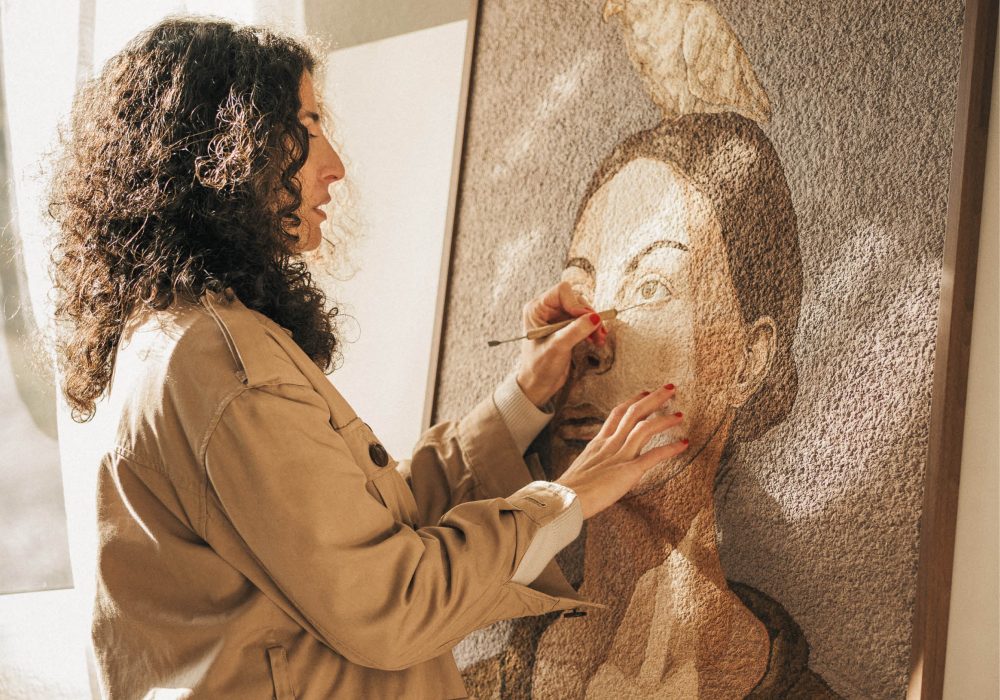
In case no-one has told you lately, Emma Giacalone says you`re a good egg. (And we happen to agree).
This incredible mini egg embroidered 3D artwork was created by @Emma_Giacalone_Textiles, a textile artist in Gloucestershire, UK.
"When we buy an item of clothing, a label is attached telling us how to look after it to keep it at its very best. My mission is to create little care instructions to help to remind us to lead our happiest life."
INGREDIENTS: Freehand machine embroidered onto 100% cotton, using Egyptian cotton thread, and wool felt backing.
#EasterArt #GoodEgg #TextileArt

No ordinary wrap dress! 💃
Wrap dress wardrobe malfunction? Not with the Peppermint Waratah Wrap Dress pattern! We designed the Waratah to make sure this never happens.
Enjoy a few BTS videos from this super fun shoot. Maybe some inspo for Easter weekend sewing?
MODELS/SEWISTS: @Melt.Stitches, @KatieMakesADress @Tricky.Pockets @Laura_The_Maker
Head to the link in bio for the #PeppermintWaratahWrapDress 🪡
#PeppermintPatterns #SewingPattern #MeMade #WrapDress
