photos G ADVENTURES
As humans return to their globe-trotting ways post-pandemic, the more unsettling realities of industrialised global tourism are back in the spotlight.
The Last Tourist – a new documentary from G Adventures – sees the industry go under the microscope in order to share a simple objective: we need to change the way we travel.
It was produced by G Adventures founder Bruce Poon Tip and features cameos from the likes of naturalist Jane Goodall, animal rights activist Lek Chailert of the Save Elephant Foundation and National Geographic CEO Gary Knell. Shot over 16 locations and addressing many of the injustices of the travel industry, The Last Tourist is a keen and timely reminder that you don’t need to suspend your values when you hit accept on the booking form. We sat down with Bruce when he was in town promoting the film to learn how we can become more conscientious travellers.
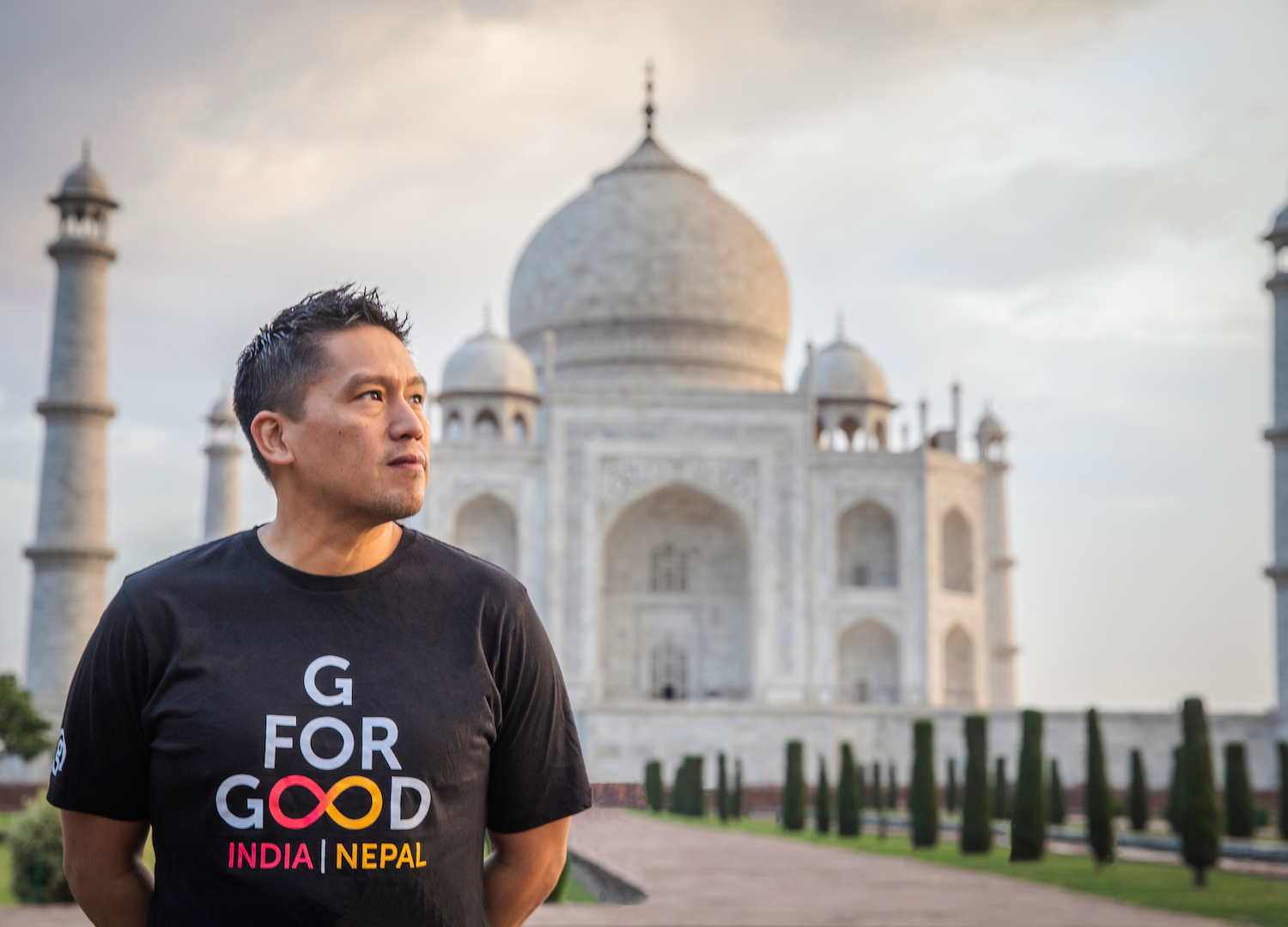
above BRUCE POON TIP
Why were you compelled to create this documentary?
The messages that our company conveys resonate all over the world. G Adventures is a social enterprise as much as we are a small group travel company with a focus on community tourism. This documentary provides a global medium that can deliver a message on how travel and tourism can be a transformational industry and have an impact on everybody, not just the traveller.
It was a massive challenge, but a documentary was the next logical step to deliver a message and share what we’ve been seeing at G Adventures for 33 years.
Travel can be a force for good, and it’s a message of hope, but at the moment, we’re not doing a very good job in the travel industry as a whole.
There’s no better industry than the travel industry right now to get people to lead with their values.
Can you tell us a little bit about the process of creating it?
It’s been a long, arduous process of learning, giving up control, understanding creative freedom and working collaboratively to achieve a common goal. You have to trust the process along the way. I think there are very few things that I’ve done in recent times that have allowed me to learn as much as I did making The Last Tourist. It challenged me and pushed me in a way that I really enjoyed.
The pandemic saw an acceleration of “values-led disruption” across the board. How are you seeing this play out in the travel industry?
There’s no better industry than the travel industry right now to get people to lead with their values. Traditionally, people live a certain way at home and, unfortunately, feel that they can abandon their values when they go to another country or on vacation. This is something particularly strange to me. I’ve always hoped there’d be a tipping point where people would match their values with their holiday time.
There’s been a pivot since COVID, where people want a meaningful travel experience. There’s going to be a purpose for why they want to travel. And that’s the best place we can be because when it means something to people, they will start applying their values.
Travel can be a force for good, and it’s a message of hope, but at the moment, we’re not doing a very good job in the travel industry as a whole.
Why do you think we see a disconnect between values lived at home and those when on holiday or travelling? Is it an element of escapism?
I don’t know if it’s escapism. I think there’s this prestige where we feel that we work hard at home and then are entitled to vacation with a right to be served. It’s a status symbol that you can afford to take these trips, and it’s connected to “I’m just doing nothing.”
We’ve been brought up in a culture where families showed their status by going on vacation together. Thankfully, there are different motivations now for people and we are starting to think differently.
WANT MORE SUSTAINABLE TRAVEL CONTENT? RIGHT THIS WAY!
Do you think the distinction between travelling and taking a vacation is important to consider in the sustainable travel space?
I don’t think they should be any different. We have a finite amount of holiday time and everyone has a different motivation on how they want to use it. People travel to learn something or want to rejuvenate themselves, but traditionally, there are a lot of people that just want to go hard and drink and eat as much as they want.
You should be able to get all of that. But you should do it in a responsible way and local communities should be taken into consideration – no matter which decision you make. I think either way you can get what you want out of travel; you can go luxury or you can go with a backpack. There are no restrictions to it as long as communities are involved in the dialogue.
As more people return to the skies, what are your top five tips for travelling more mindfully and sustainably?
ONE // Avoid “all-inclusive” packages.
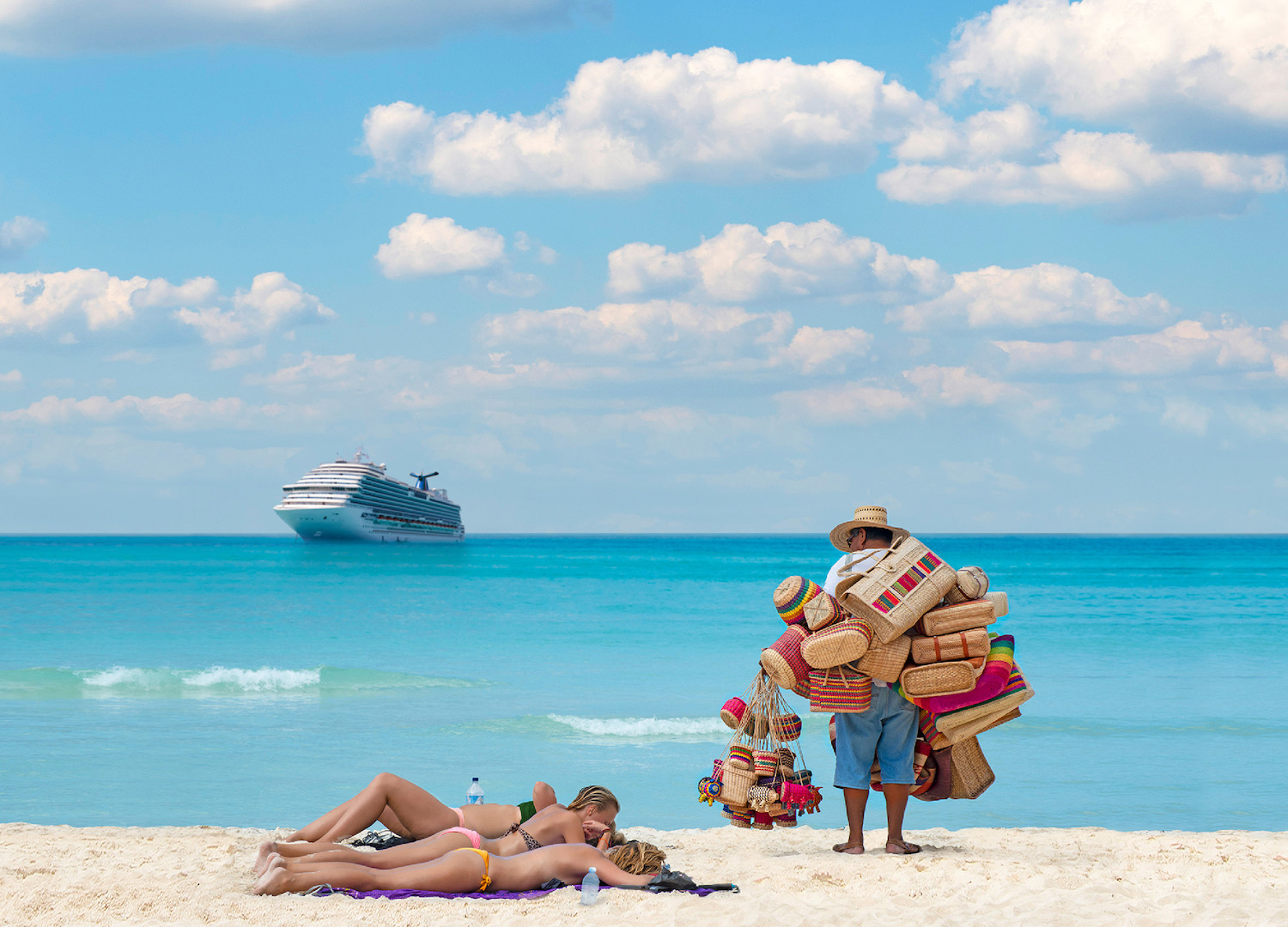
Many all-inclusive packages mean you never have to leave your resort for food or drinks, and that’s a huge problem. Taking income away from the community you’re visiting and instead funnelling that money back to the multinational hotel chain you are staying with affects the local community more than you think. All-inclusive resorts are often located far away from the country’s metropolitan area, making it harder to venture out and explore its culture and cuisine.
TWO // Consider animal welfare.
Activities with animals are a huge draw for travellers. (if you’ve never seen a lion, of course, you’ll want to see one in South Africa.) Keep this in mind: wild animals can’t be “tamed” without cruelty, so don’t support those businesses.
THREE // Respect local culture.
Respect the rights, history and culture of local communities, while ensuring that tourism directly supports their wellbeing. Be the kind of guest you’d want to have stop by for a visit.
It’s a privilege to travel, not a right. And with that privilege comes responsibility and the ability to transform and change lives.
FOUR // Book a trip for the destination, not “the gram”.
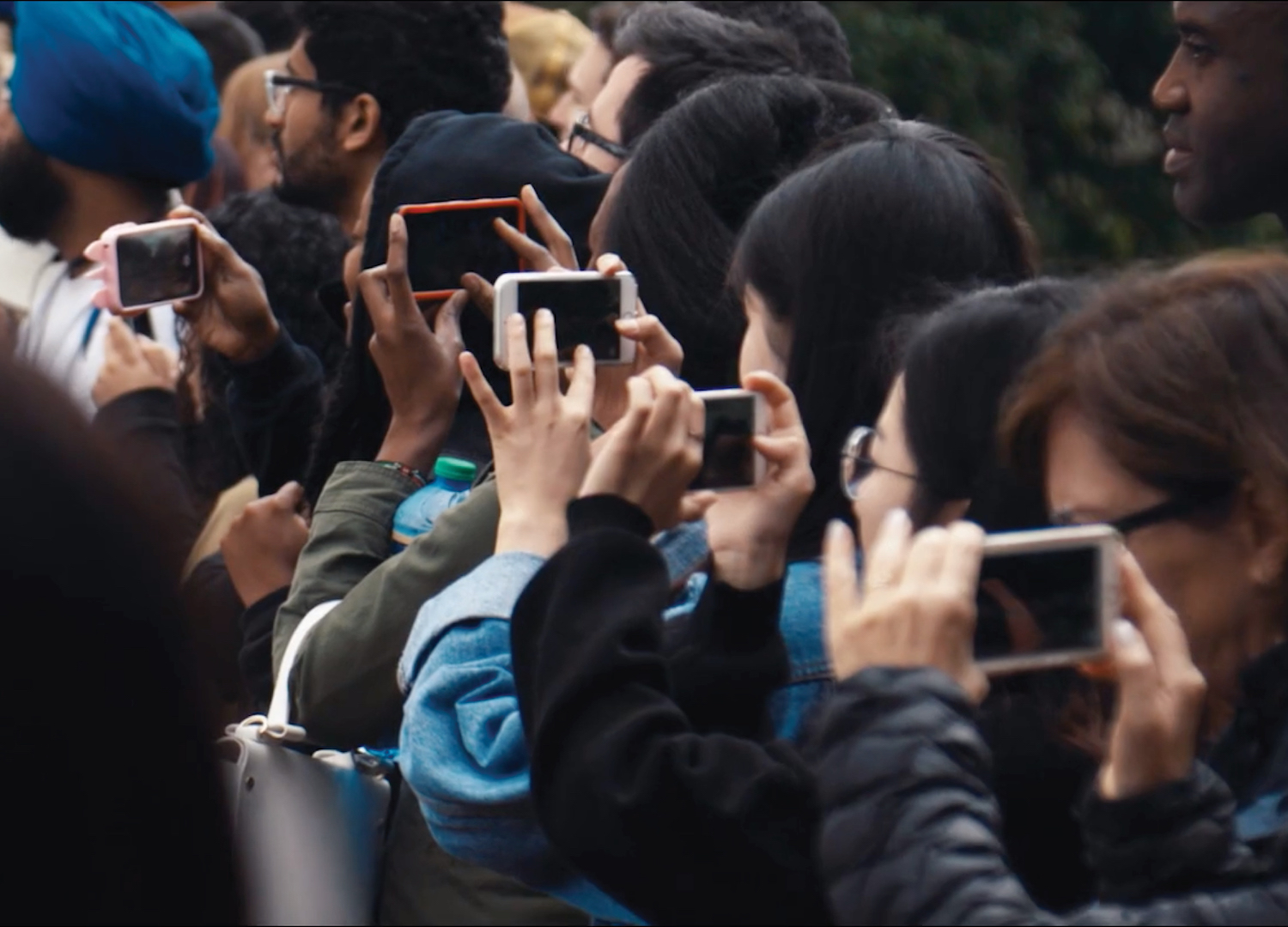
[We found] 29% of millennial travellers wouldn’t travel to a destination if they couldn’t post about it on Instagram. This has led to an influx of photo-tourism and while honeypot destinations are wonderful, make sure to look beyond and take the road less travelled to play your role in reducing over-tourism.
FIVE // Wherever possible, support women-led local businesses.
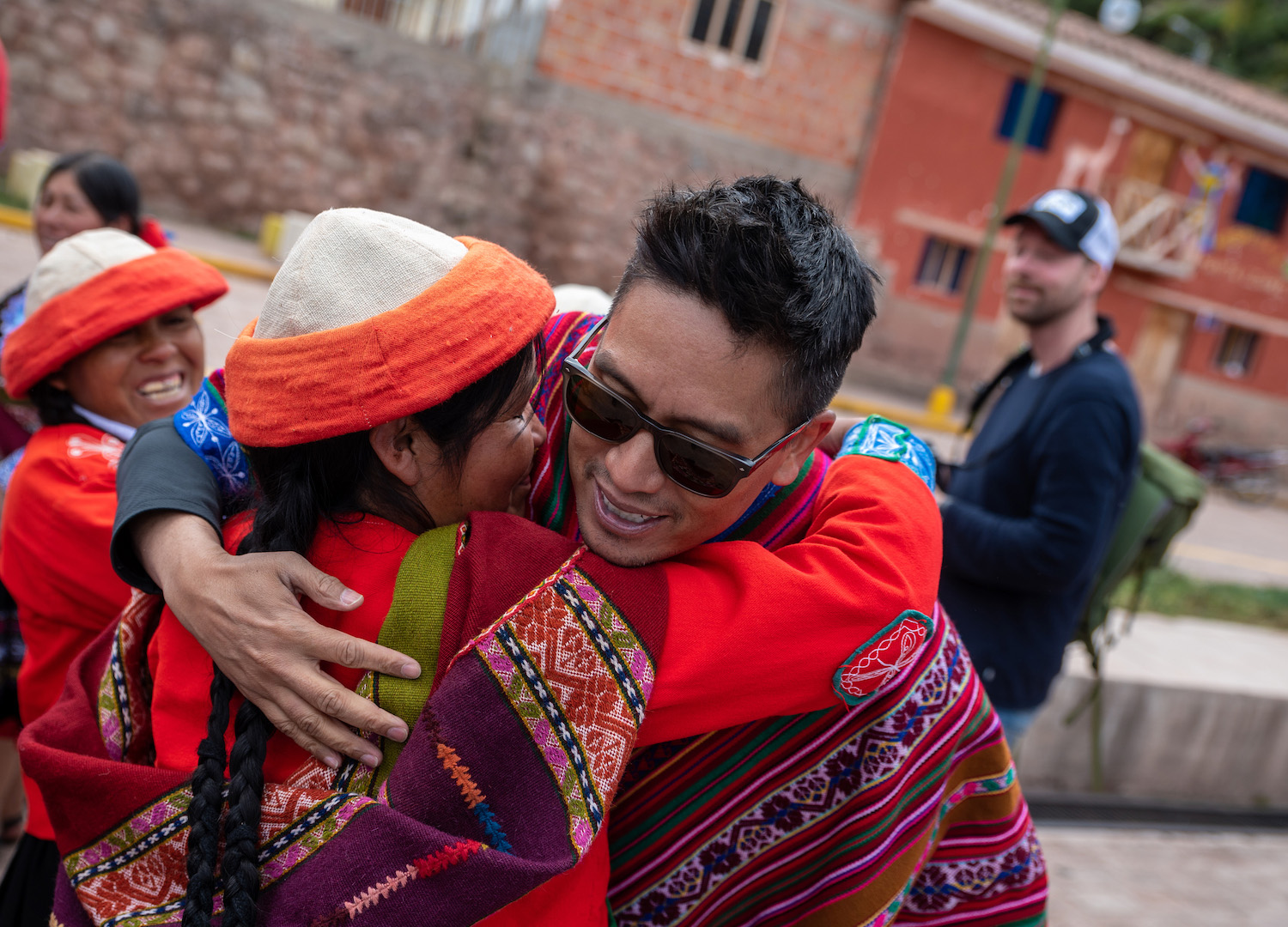
By choosing to support women-led local businesses, you empower resource-poor women to become financially independent and keep tourism dollars in the destination you are visiting. When women gain financial freedom in under-developed countries, they can lead livelihoods with dignity and gain a better understanding of their rights and access to education.
What does tourism look like to you in an ideal world?
A more meaningful experience for people where they connect their values to their holiday time and understand it’s a privilege to travel, not a right. And with that privilege comes responsibility and the ability to transform and change lives.
The Last Tourist is streaming in Australia on iTunes, Google, Microsoft and Amazon Prime.